
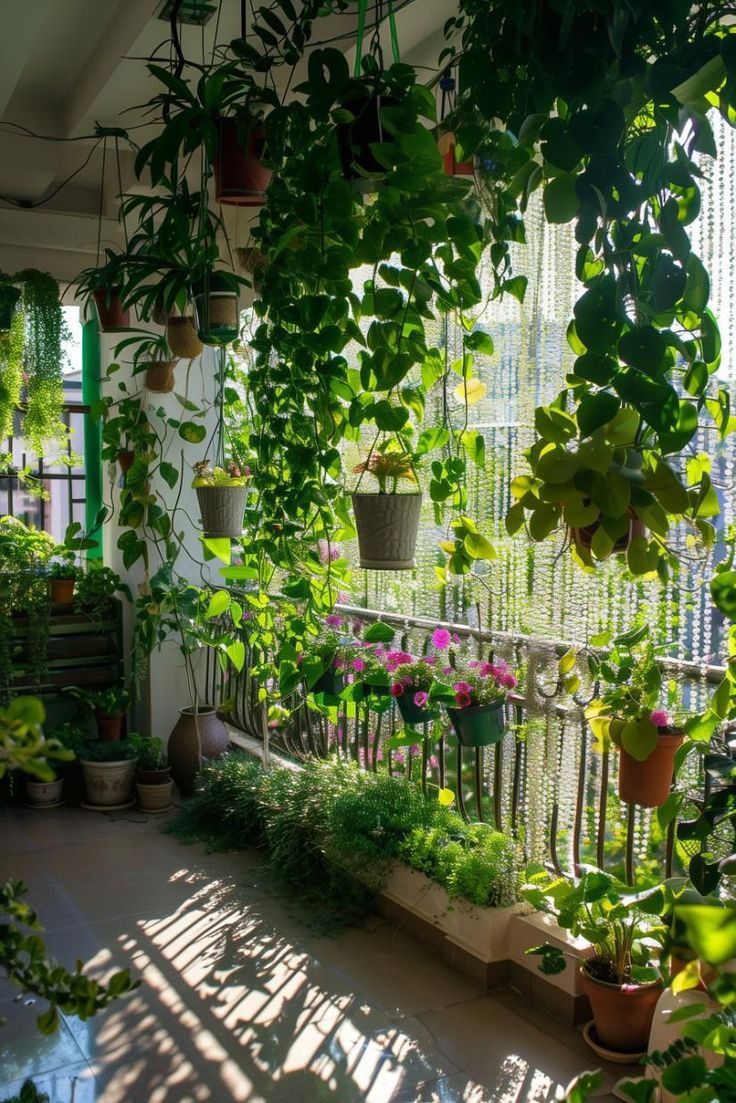
Cool Homes – Smart Ways to Stay Cool
Lav dette projekt med din klasse
Hvad handler dette projekt om?
This project helps students learn how homes can stay cool without using fans or air conditioners. Students explore natural cooling methods like air flow, shade, plants, and materials, and then build a simple model house to show their ideas.
- Aldersgruppe
- 9-12,13-15,16-18,18+
- Projektets varighed
- 4 uger
Dette projekt bidrager til følgende globale mål
Læringsmål
Remember / Understand
Students will be able to identify and explain simple ways homes stay cool naturally, such as using shade, air movement, and light-colored surfaces.
Apply
Students will be able to show how natural cooling works by building a simple cool-home model using recycled or local materials.
Analyze
Students will be able to compare different cooling ideas used in their homes and in other countries, and explain which ideas work best in different climates.
Evaluate
Students will be able to judge which cooling ideas are most useful for saving energy and helping the environment, and explain their reasons.
Create
Students will be able to design and build their own cool-home model that combines their ideas with what they learned from others to reduce heat naturally.
Projekttidslinje
Presentation
Week 1 – Explore & Connect
Students talk about how they stay cool at home.
They watch short videos or see pictures of cool houses from different places.
Students complete the Initial Evaluation.
They share one idea or question on the project board.
Week 2 – Understand the Problem
Students observe their homes or nearby buildings.
They note things like windows, shade, plants, and airflow.
Students talk to family members about how they stay cool.
Teams discuss: Why do homes get hot?
Week 3 – Think of Ideas
Students brainstorm many natural cooling ideas.
They draw simple sketches of their ideas.
Teams choose the best ideas that can be made easily.
Students explain why they chose those ideas.
Week 4 – Build & Test
Students build a cool home model using waste or recycled materials.
They test the model in sunlight or a warm place.
Students observe what works well and what does not.
They ask others for simple feedback.
Week 5 – Share & Celebrate
Students prepare a short presentation (photo, video, or poster).
They explain how their model keeps homes cool.
Students share their work with classmates or partner schools.
They complete the Final Evaluation and reflect on what they learned.
Hvad deltagerne siger
Jhansi Ravikumar
 Indien
Cool Homes – Smart Ways to Stay Cool, Class2Class.Org Today’s session on Natural Ways to Keep Homes Cool felt like opening windows in summer — fresh ideas came in from every side. 🌿 Students from India and Sri Lanka shared practical and creative solutions from their own lives. Here are the beautiful ideas shared by our students: 🌳 Using trees for shade – Planting trees around the house to block direct sunlight. ☀️ Solar panels – Using solar energy to reduce heat and save electricity. 🪟 Better ventilation – Allowing cross breeze by opening windows wisely. 🎨 Light-colored walls and roofs – Reflecting sunlight instead of absorbing heat. 🧴 Eco Cooler design – A smart cooling device made from used plastic bottles that pushes cool air inside. 🏺 Clay pots for water storage – Keeping water naturally cool without electricity. 🌿 Indoor plants – Reducing heat and improving air quality. 🏠 Shades and awnings – Protecting windows from direct sunlight. 💡 Switching off unused appliances – Reducing extra heat indoors. 💧 Sprinkling water on terraces – A simple way to cool the roof during hot days. 🌏 A special highlight — a student from Sri Lanka designed a complete cool eco-home model. The design included proper ventilation, shaded windows, green surroundings, and smart use of natural materials. It was like building a house that breathes calmly even in summer heat. Students also discussed why natural cooling matters: ✔️ Lower electricity bills ✔️ Healthier living spaces ✔️ Caring for the environment Small ideas can work like small drops of water — together, they cool the whole space. Thank you Tr. Ayesha Rafeek, Sri Lanka, for guiding and encouraging the students. Thanks to Class2Class.org for bringing out the ideas from younger minds and connecting us across borders.