Camilo de Lesi Rodrigues 선생님이 Class2Class.org에 "Health Rights Without Borders: Local Systems, Global Solutions" 프로젝트를 만들었습니다
참여 요청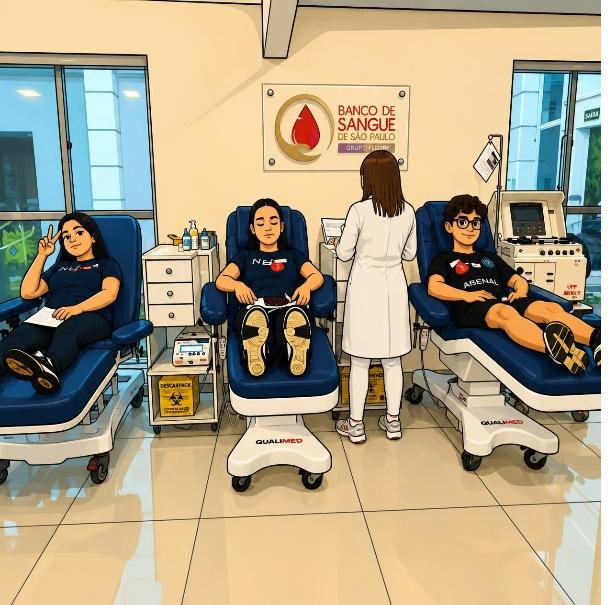
Health Rights Without Borders: Local Systems, Global Solutions
어떤 프로젝트인가요?
- 학생 연령
- 16~18세
- 진행 기간
- 5 주
- 시작 월
- 2월 2027
학습 성과
기르는 역량


프로젝트 활동
Meet the partner class and map our health systems
Students introduce themselves and their classes in a joint video call, then share first impressions of how healthcare works in each country. Together they agree on a shared comparison framework covering funding, organization, history, and access.
Research and profile our own public health system
Each class investigates how its national health system is funded, organized, and has evolved over time as a constitutional right, comparing it with other countries. Students synthesize their findings into visual posters or digital infographics and post them in the shared workspace.
Compare systems and identify common access barriers
In a joint video session, students compare the profiles across countries and separate structural causes of access problems from challenges that all countries share. Mixed-country groups record their findings in the shared workspace.
Develop and justify proposals for better healthcare access
Based on their comparative analysis, students write structured, evidence-based proposals to improve public health management and equitable access—such as community telemedicine, unified electronic health records, or AI-assisted triage. Mixed-country teams review and refine their ideas for feasibility and social impact.
Present findings and proposals to the whole group
Teams present their comparisons and improvement proposals to both classes in a final joint session. The group then discusses which ideas are most useful and reflects on what they learned about global citizenship and healthcare rights.
Take Civic Action in Our Community and Share the Impact
Students organize a concrete solidarity action in their community, such as a blood donation drive, a visit to a local blood bank, or a public health awareness event. They document the action with photos and short reflections on its social impact, then share these with the partner class.