
Noel Daniel hat das Projekt "Numbers for Change: Co-Designing Math Solutions with Students Across Borders" in Class2Class.org erstellt
Teilnahme anfragen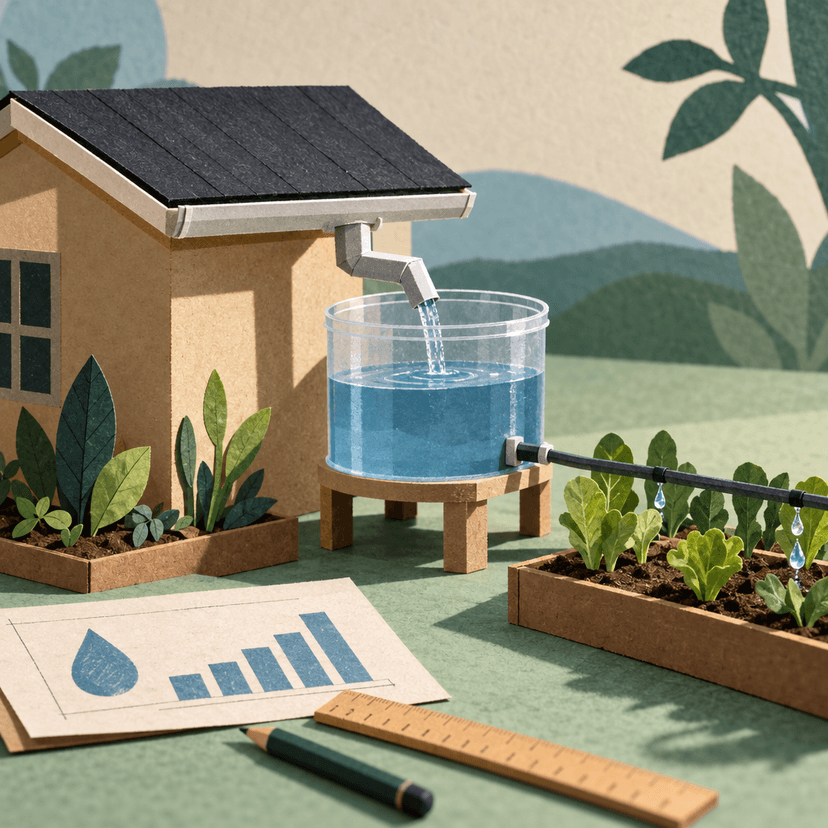
Numbers for Change: Co-Designing Math Solutions with Students Across Borders
Worum geht es bei diesem Projekt?
- Alter der Schüler:innen
- 13-15 Jahre
- Projektlaufzeit
- 3 Wochen
- Startmonat
- Dezember 2026
Lernergebnisse
Zu entwickelnde Kompetenzen



Projektaktivitäten
Kick-off: Meet the partner class and spot local problems
Students meet their partner class through a video call, introduce themselves, and list everyday problems in their community like water waste or unfair spending. Together they pick two or three problems to explore further.
Map the problem: causes, impact and the math behind it
In small groups, students research their chosen problem, describe its causes and effects, and use ratios or budget formulas to show it with numbers. They share their findings with the partner class on a shared board and compare how culture changes the problem.
Build and test a prototype solution with partner feedback
Groups design a water-saving schedule or fair budget tool using a simple mathematical model and run a simulation with sample data. They send their prototype to the partner class, collect written feedback, and note which parts work and which need changes.
Refine the solution and link it to the Sustainable Development Goals
Students use the feedback and simulation results to improve their prototype, then connect their solution to a relevant Sustainable Development Goal. They explain which changes they made and why.
Final showcase and joint reflection
Each group presents its refined solution to the partner class in a short video call, explaining the math, the test results and what they learned about different cultural contexts. Students end by reflecting on their teamwork and problem-solving skills.