sara amar hat das Projekt "Everyday Chemistry and Physics Explorers: Science Around Us, Worldwide" in Class2Class.org erstellt
Teilnahme anfragen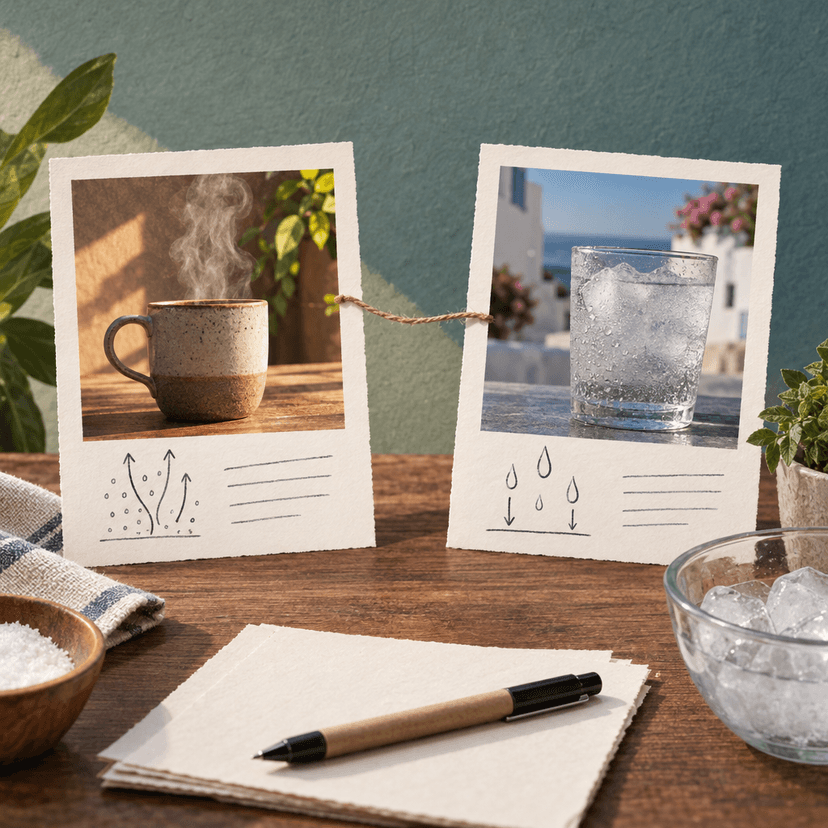
Everyday Chemistry and Physics Explorers: Science Around Us, Worldwide
Worum geht es bei diesem Projekt?
- Alter der Schüler:innen
- 13-15 Jahre, 16-18 Jahre, 18+ Jahre
- Projektlaufzeit
- 4 Wochen
- Startmonat
- November 2026
Dieses Projekt trägt zu folgenden globalen Zielen bei
Dieses Projekt fördert und schützt die Rechte dieser Kinder
Lernergebnisse
Zu entwickelnde Kompetenzen


Projektaktivitäten
Kick-off: Spotting Science Around Us
Students meet their partner class in a short video call, introduce themselves, and discuss what chemistry and physics look like in their daily lives. They agree on shared goals and how they will communicate.
Everyday Phenomena Field Observation
Students use paper and pens to find and sketch chemistry and physics phenomena in their homes and neighborhoods, using simple household materials for quick experiments. They write short observations and share photos with the partner class.
Cross-Cultural Comparison of Local Phenomena
Students compare their observations with the partner class, identifying how the same principles appear in different local contexts. Working in mixed pairs, they analyze similarities, differences, and possible reasons behind them.
Problem-Solving with Household Materials
Students design simple, low-tech solutions to a local everyday challenge using household materials, then test and refine them with feedback from the partner class. They document each iteration on paper.
Joint Showcase and Reflection
Students present their comparisons and solutions to the partner class in a shared video session, then reflect individually on what they learned about science and intercultural communication.