
Rinuza Haniffa har oprettet projektet "My Lunch Box: Exploring Food Traditions Across Cultures" i Class2Class.org
Anmod om deltagelse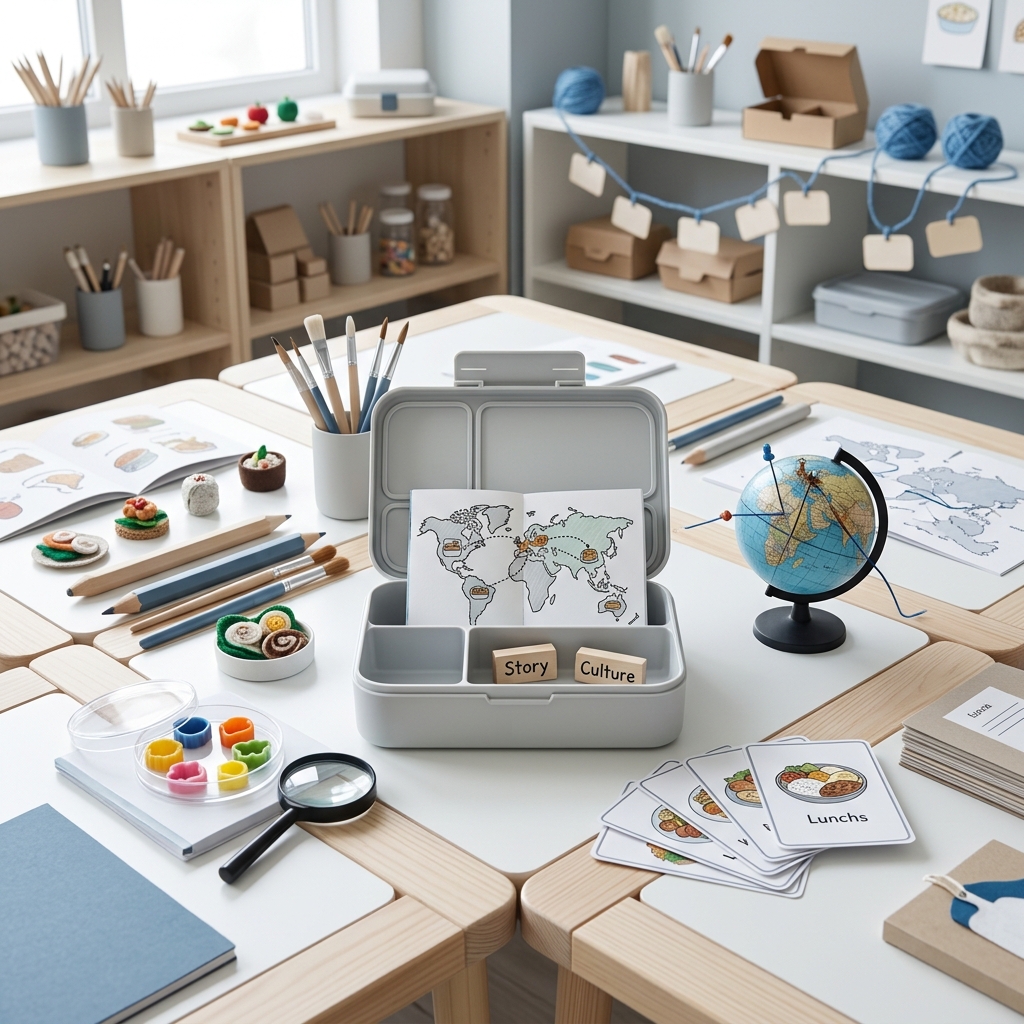
My Lunch Box: Exploring Food Traditions Across Cultures
Hvad handler dette projekt om?
Students research the cultural stories, ingredients, and traditions behind their lunch box choices, then analyze what they learn from partner classes to understand how geography, climate, and family customs shape what children eat. They create a visu...
- Elevernes alder
- 13-15 år, 16-18 år
- Projektets varighed
- 4 uger
- Startmåned
- September 2026
Læringsmål
Students will be able to identify and describe the cultural stories, ingredients, and traditions behind their own lunch box and those of international peers.
Students will be able to demonstrate intercultural communication by explaining how geography, climate, and family customs influence food choices across different cultures.
Students will be able to analyze and compare lunch boxes from their community with those from partner classrooms to distinguish patterns in food traditions and cultural practices.
Students will be able to evaluate how understanding diverse lunch box traditions builds global awareness and strengthens connections between children from different parts of the world.
Kompetencer der udvikles
Projektaktiviteter
What's in My Lunch Box?
Students bring or describe their lunch box, share what's inside with classmates, and discuss why their family chose those foods. The teacher introduces the project by explaining that lunch boxes tell stories about culture, geography, and family traditions.
Research and Interview: My Lunch Box Story
Students interview a family member about the origins, ingredients, and cultural meaning of their lunch box. They research where the main ingredients come from and document the climate, geography, and traditions that shaped their meal choices in a simple research sheet.
Live Video Exchange with Partner Class
Students participate in a live video call with the partner class to show and explain their lunch boxes, ask questions about the other class's meals, and begin identifying patterns in how geography and culture influence food choices. The teacher facilitates discussion and note-taking.
Analyze and Compare Lunch Boxes
Students create a visual comparison chart or infographic showing their lunch box alongside one or more from the partner class, highlighting connections between ingredients, climate, geography, and cultural traditions. They write short observations about what they learned.
Reflect and Share: What Lunch Boxes Teach Us
Students present their comparison and reflect on how understanding diverse lunch box traditions builds global awareness and strengthens connections between children from different parts of the world. They share one key insight about intercultural communication and food traditions.
Healthy vs. Unhealthy: Sorting and Discussing Our Lunch Choices
Students sort the foods from their lunch boxes and those shared by the partner class into healthy and unhealthy categories, then discuss why certain foods are chosen and how nutrition connects to culture, geography, and family values. This activity deepens their critical thinking about food choices before the final reflection.