Designing a Science Solution Together
Dự án này nói về điều gì?
- Độ tuổi học sinh
- 6-8 tuổi, 9-12 tuổi, 13-15 tuổi, 16-18 tuổi, 18+ tuổi
- Thời lượng dự án
- 5 tuần
- Tháng bắt đầu
- Tháng 11 2026
Dự án này góp phần vào các mục tiêu toàn cầu sau
Dự án này thúc đẩy và bảo vệ các quyền trẻ em sau
Kết quả học tập
Kỹ năng cần phát triển



Hoạt động của dự án
Meet the Partner Class and Spot a Local Problem
Students introduce themselves and their community, then share a local water or energy challenge they notice at home. Teams are formed across both classes to start the project.
Explore the Science Behind the Problem
Teams research how chemistry, biology, or physics principles relate to their chosen local problem and sketch simple ideas for a low-cost prototype. They compare their findings with partner team ideas in a shared online board.
Build and Test the First Prototype
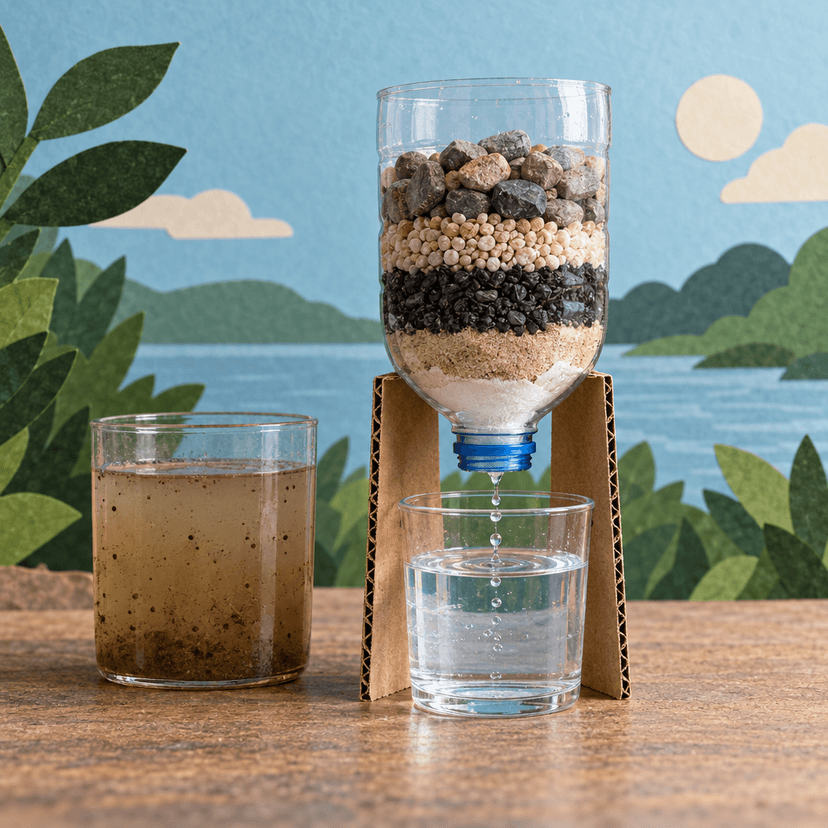
Teams build a simple water filter or paper solar device from low-cost materials and test it against agreed criteria. They record results, note what works and what does not, and share photos with their partner team.
Compare Results and Gather Partner Feedback
Teams compare their test results with partner class teams, discussing differences in design and local conditions. They give and receive written feedback to decide what to improve.
Revise and Improve the Prototype
Teams redesign and rebuild an improved version based on feedback and new test data. They retest it and document the changes they made and why.
Live Demonstration and Reflection Video Call
Teams demonstrate their improved prototype live to the partner class during a video call and explain the science behind it. Students then reflect together on teamwork, feedback, and what they learned about each other's realities.
Interview a Local Expert or Family Member About the Problem
Students interview a local expert, family member, or community member about the local problem and how people currently deal with it. They share the answers with their international team to guide the next design steps.