
Alexandra Ziborova ha creado el proyecto "Rest and Reload: Exploring Wellness Strategies Worldwide" en Class2Class.org
Solicitar unirse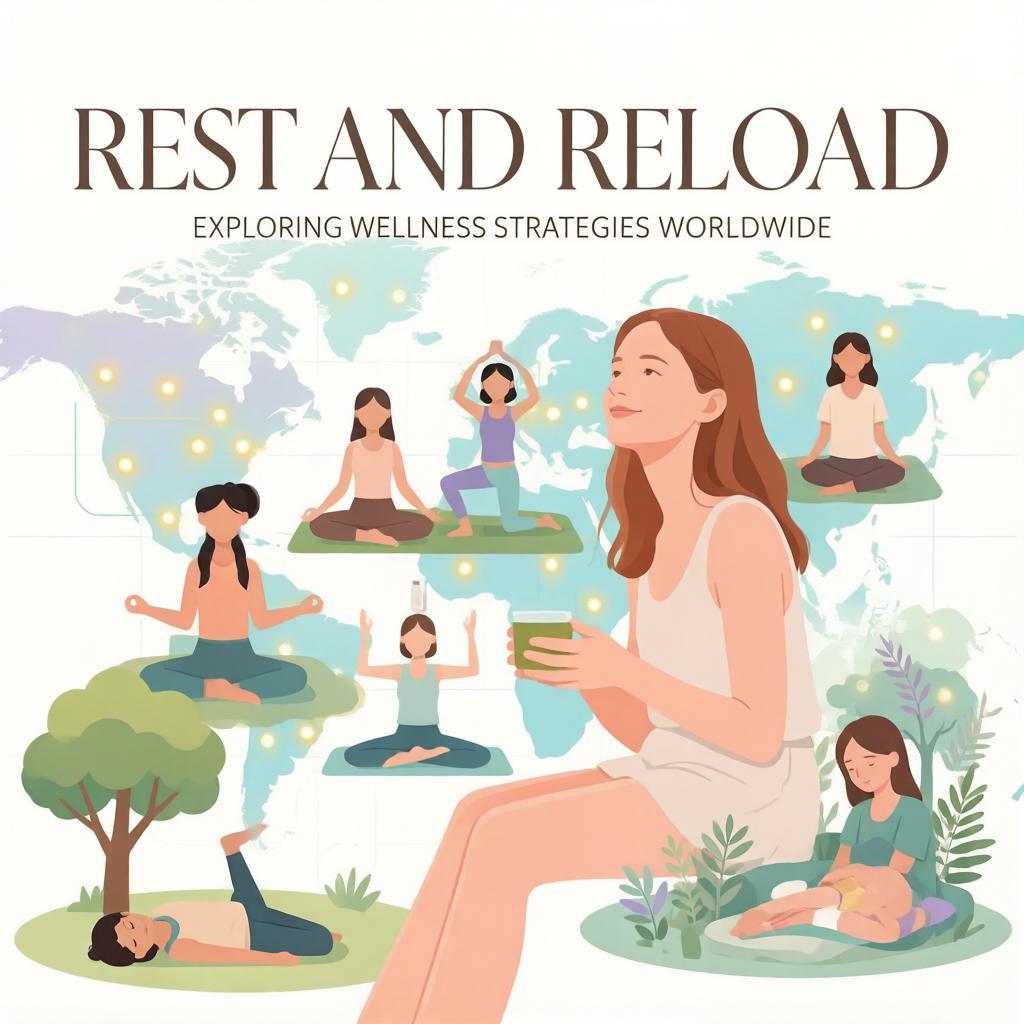
Rest and Reload: Exploring Wellness Strategies Worldwide
¿De qué trata este proyecto?
Students conduct research on relaxation and stress-relief strategies in their own communities and compare findings with international classrooms through surveys and interviews. They analyze different approaches to mental and physical health recovery ...
- Edad de los estudiantes
- 9-12 años, 13-15 años, 16-18 años, 18+ años
- Duración del proyecto
- 4 semanas
- Mes de inicio
- Octubre 2026
Este proyecto contribuye a los siguientes objetivos globales
Este proyecto promueve y protege estos derechos de la niñez
Objetivos de aprendizaje
Students will be able to demonstrate practical relaxation and mental reload strategies through hands-on activities, applying emotional intelligence skills to recognize their own stress triggers and selecting appropriate coping techniques based on personal and cultural perspectives shared with international peers.
Students will be able to analyze and compare the effectiveness of different physical and mental relaxation methods by examining research findings, personal experiences, and cultural practices from their own context and partner classrooms, distinguishing between evidence-based wellness approaches and cultural traditions.
Habilidades a desarrollar
Actividades del proyecto
Reflection on Learning and Global Connection
Teams share presentations with partner classes via asynchronous forum or synchronous video call. Each team presents their wellness research (3-5 minutes) and asks prepared questions. Peers respond with observations, questions, and reflections on similarities and differences. Document key comparisons in a shared collaborative mural highlighting universal wellness needs and culturally-specific practices.
Project Launch: Wellness and Relaxation
Teacher introduces the project purpose, explaining how students will explore relaxation and mental reload strategies from their own context and compare them with international peers. Clarify learning goals around emotional intelligence and stress management. Highlight the connection to personal well-being and the SDG for good health and well-being.
Creating Comparative Wellness Presentations
In small teams, students synthesize their local research into a creative presentation comparing at least three relaxation methods from their context. Include evidence of effectiveness (personal testimonies, research findings, or cultural significance). Prepare key talking points and questions to ask international peers about their approaches. Format options: short video (2-3 minutes), infographic, podcast, or illustrated slideshow.
Cronograma del proyecto
Launch the Wellness and Relaxation Project
Teacher introduces Activity 1 by explaining how students will explore relaxation and mental reload strategies from their own context and compare them with international peers.
Students discuss the learning goals around emotional intelligence and stress management, connecting the project to their personal well-being and SDG 3 (Good Health and Well-Being).
Students share initial thoughts on the question: 'What does being healthy and relaxed mean to you?' on the project board, posting short responses or images that represent their idea of rest.
Refine the Central Guiding Question
As a class, students brainstorm different ways the driving question could be worded, considering what they want to learn from their international peers (for example, 'What are the best ways young people relax?' or 'How do different cultures approach stress management?').
Students vote on the final wording of the driving question: 'What are the different ways young people in our communities relax and reload after stress, and what can we learn from each other's approaches?'
Students discuss what they already know about relaxation methods versus what they want to discover from their international peers, documenting their ideas in a shared Google Doc.
Guide students to identify 2-3 relaxation methods from their own context they are curious to research and compare with other cultures.
Create and Share Comparative Wellness Presentations
In Activity 2, teams synthesize their local research into a creative presentation comparing at least three relaxation methods from their context, choosing one format: short video (2-3 minutes), infographic using Canva, podcast, or illustrated slideshow using Google Slides.
Students include evidence of effectiveness in their presentations, such as quotes from interviews, research findings about stress reduction, or explanations of cultural significance (for example, 'Meditation is practiced by 70% of teenagers in our community because it helps them focus on schoolwork').
Teams prepare 3-5 minute presentation scripts with clear explanations of each relaxation method and why it matters to young people in their context.
Each team posts their completed presentation on the project board for the partner classroom to view and respond to.
In Activity 3, teams present their wellness research during an International Wellness Exchange Forum, either via asynchronous video forum or synchronous video call, sharing their 3-5 minute presentation and asking prepared questions to international peers.
Students watch presentations from partner classes and document key observations about similarities and differences in relaxation methods using a shared collaborative mural or Google Doc (for example, 'Both countries use music for relaxation, but they listen to different genres').
Peers respond to each presentation with observations, questions, and reflections on how the relaxation methods compare to their own practices, using the group chat or comment feature on the project board.
Reflect on Learning and Global Connection
In Activity 4, students complete individual reflections addressing three key questions: 'What relaxation strategies will I try based on what I learned? How did connecting with students from another country change my understanding of wellness? What surprised me about how different cultures approach stress management?'
Students write their reflections in a personal journal or shared document, providing specific examples from the international exchange that influenced their thinking.
Students share their reflections in a group discussion, listening to peers' insights about which wellness strategies they plan to try and what they learned from the international exchange.
In Activity 5, the class creates a collaborative reflection document summarizing key insights from both classes about universal human needs for rest and reload, highlighting cultural differences and similarities discovered through the project.
Students acknowledge and celebrate the contributions of their international peers by writing thank you messages or appreciation notes in the group chat or on the project board.
Guide students to consider how the skills they developed (emotional intelligence, critical thinking, intercultural communication) will help them in future global collaborations and in managing their own stress and well-being.