Kevin Ouma ha creado el proyecto "Math in Our Communities: Local Data, Global Comparisons" en Class2Class.org
Solicitar unirse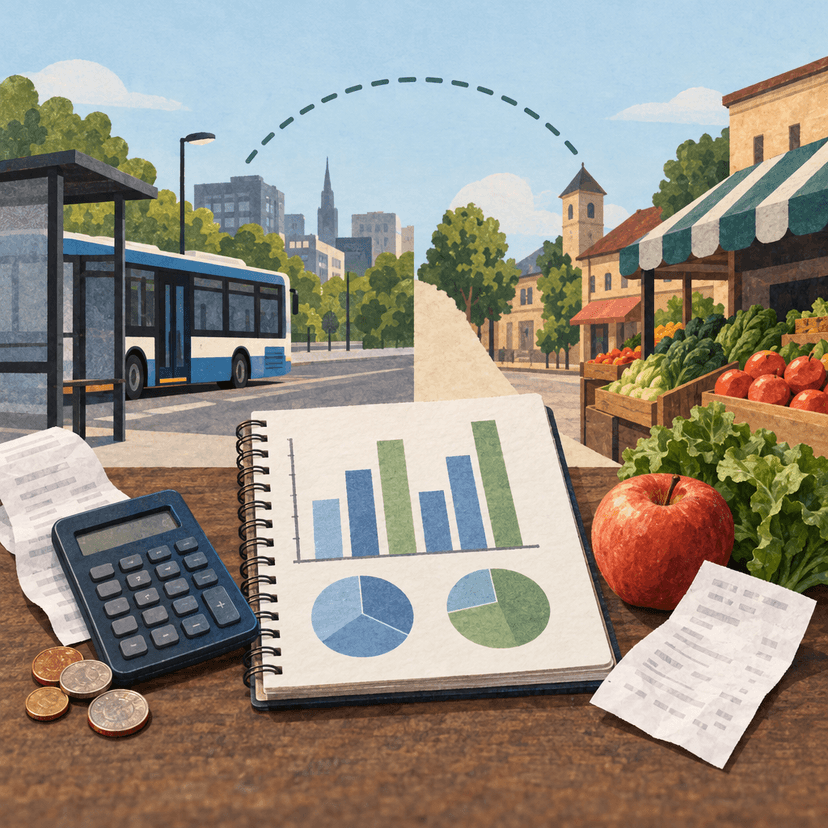
Math in Our Communities: Local Data, Global Comparisons
¿De qué trata este proyecto?
- Edad de los estudiantes
- 9-18+ años
- Duración del proyecto
- 52 semanas
- Mes de inicio
- Noviembre 2026
Este proyecto contribuye a los siguientes objetivos globales
Este proyecto promueve y protege estos derechos de la niñez
Objetivos de aprendizaje
Habilidades a desarrollar


Actividades del proyecto
Map Maths in Our Daily Lives
Students share everyday situations where they use maths, such as shopping, transport, or budgeting, and introduce their community to the partner class.
Collect Local Price and Transport Data
Students gather food prices and transport information from their community using digital tools, then organise it into a shared dataset with the partner class.
Compare Mathematical Patterns Across Communities
Students analyse their data alongside the partner class, identifying similarities and differences in prices, budgets, and transport patterns and discussing the context behind them.
Evaluate Which Problems Are Worth Solving
In mixed international teams, students decide which real-world problems are most worth solving mathematically, justifying their choices with evidence from both communities.
Present Findings and Recommendations
Students present their shared dataset, comparisons, and chosen problems to both classes, then reflect on what they learned about maths and collaboration.
Create a Joint International Mathematics Report
Students from both communities combine their findings into a digital report with data, calculations, graphs, comparisons and proposed solutions. They finalise it together in Google Docs or PowerPoint and include contributions from both partner schools.
Analyse Local Mathematics Through Case Studies
Students work in mixed teams to study a real local case, such as rising bus fares or grocery prices, and compare how each community's data shapes the problem. Together they explain what the numbers show and what mathematics could help solve it.