Adamu ALIYU ha creado el proyecto "Building Better Schools: Youth Design Solutions for Educational Access" en Class2Class.org
Solicitar unirse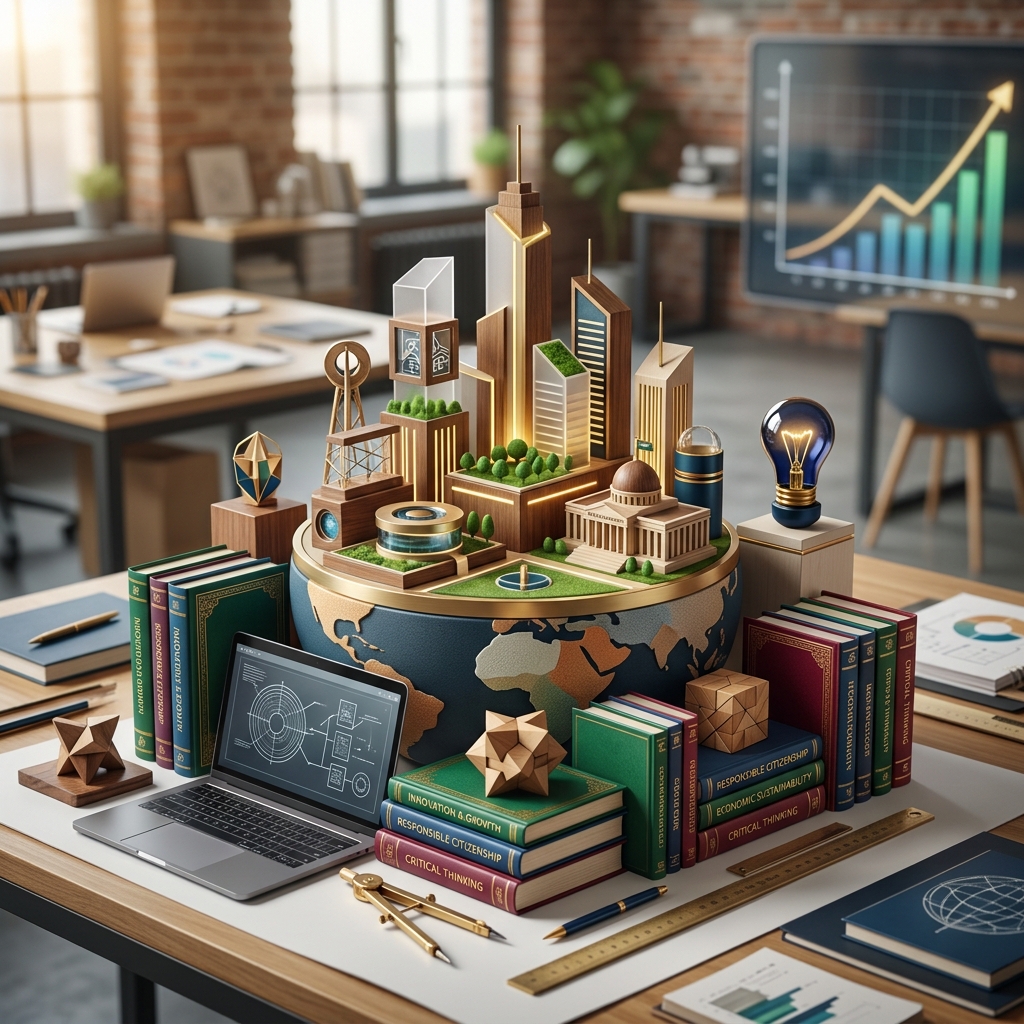
Building Better Schools: Youth Design Solutions for Educational Access
¿De qué trata este proyecto?
Students collaborate with their international partner class to design and propose practical, low-tech solutions to one key educational challenge they've identified, such as improving learning materials, creating peer mentoring systems, or advoca...
- Edad de los estudiantes
- 16-18 años, 18+ años
- Duración del proyecto
- 1 semana
- Mes de inicio
- Agosto 2026
Objetivos de aprendizaje
Students will be able to identify and describe how quality education contributes to national development, employment, and responsible citizenship in their local context.
Students will be able to demonstrate critical thinking by analyzing educational challenges such as inadequate facilities and limited access, and applying problem-solving strategies collaboratively with international peers.
Students will be able to compare and contrast educational barriers and solutions across their local community and partner classrooms globally, distinguishing root causes from symptoms.
Students will be able to evaluate the feasibility and impact of proposed low-tech solutions to educational challenges by assessing alignment with national development goals and children's rights.
Students will be able to design and propose an innovative, practical solution to an identified educational challenge, integrating feedback from international collaborators and demonstrating leadership in creating actionable change.
Habilidades a desarrollar
Actividades del proyecto
Education Matters: Local and Global Perspectives
Students share personal stories about how education has shaped their lives and aspirations, then learn about their international partner class's context and educational challenges. This warm-up builds empathy and establishes common ground across cultures before diving into research.
Research and Compare Educational Challenges
Working in small groups, students research local educational barriers (inadequate facilities, limited materials, overcrowded classrooms, poverty) using textbooks, interviews, and community knowledge, then exchange findings asynchronously with the partner class to identify shared and unique challenges across contexts.
Co-Design Low-Tech Solutions with Partner Class
Groups analyze their combined local and partner-class data to identify root causes of educational challenges, then collaboratively design one practical, low-tech solution (such as a peer mentoring system, improved study environment, or learning material strategy). Students create a simple action plan showing how students and communities can implement it.
Present Solutions and Reflect on Impact
Each group presents their designed solution, explaining the challenge, their reasoning, and how it connects to national development and responsible citizenship. The class and partner class (via asynchronous feedback) reflect on feasibility, innovation, and leadership demonstrated.