
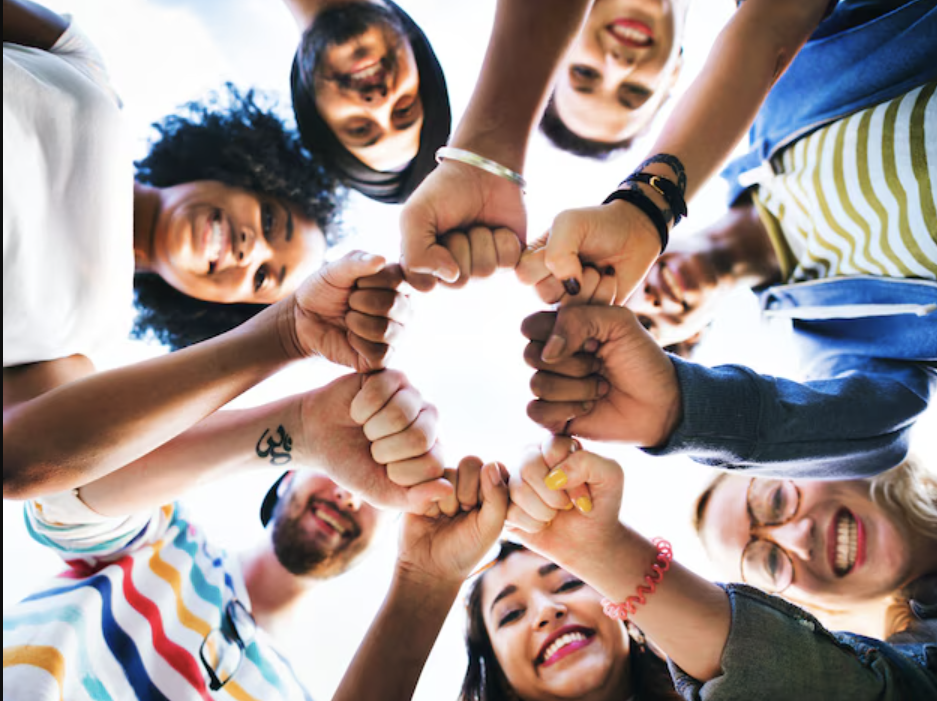
Voices for Equality: Designing Solutions for Human Rights

What is this project about?

This project invites students to participate in a transformative initiative where they will identify, analyze, and create solutions to human rights issues using the design thinking methodology. By collaborating internationally, students will gain diverse perspectives and develop a deeper understanding of global human rights challenges, culminating in a proposal of innovative solutions.

Age group
13-15, 16-18, 18+
Project Duration
4 weeks
Language
English, Spanish, Danish

This project contributes to the following global goals
Peace and Justice Strong Institutions

Learning Outcomes

  1. Understand fundamental human rights and their importance in creating just societies.
  2. Analyze human rights challenges from multiple cultural perspectives.
  3. Develop research and critical thinking skills through investigation of real-world issues.
  4. Enhance cross-cultural communication through international collaboration.
  5. Apply design thinking methodology to create practical solutions.
  6. Strengthen digital literacy through virtual collaboration tools.

Evaluate

Skills to develop

Intercultural Communication
Critical Thinking & Problem-Solving
Global Awareness
Digital Literacy
Collaboration & Teamwork
Adaptability & Leadership
Critical Thinking & Problem-Solving
Collaboration
Emotional Intelligence
Innovation

Project Timeline

1
Week 1

Presentation

Phase:Presentation & Dissemination

Step 1: Understand the problem

  • Introduce the project to the students and clearly explain the learning objectives.
  • Encourage research and discussion on the challenges human rights face globally, inviting students to reflect on specific cases and their implications.

Step 2: Empathize
  • Students share examples of situations where human rights have been violated in their local communities.
  • They conduct interviews with individuals or communities affected to better understand their perspectives and experiences.
  • Guide students in creating empathy maps to synthesize and analyze their findings, highlighting emotions, challenges, and potential solutions to support those affected.

Step 3: Define
  • Teams use the board section on the project page to:
  • List and discuss the identified human rights issues.
  • Select one issue per class and encourage their peers to vote on which topic to explore in greater depth.
  • Analyze the voting results and define a strategy to investigate the selected issue, ensuring that all students understand its relevance and potential solutions.

Step 4: Ideate
  • Encourage creative thinking among students to propose innovative solutions for the chosen issue.
  • Organize brainstorming sessions in teams, guiding students to explore various perspectives and approaches.
  • Facilitate class discussions to refine ideas, highlighting the feasibility and potential impact of each proposal.
  • Help students select the best ideas and share them on the project's board on the platform.
  • Invite them to seek feedback from their partner classrooms to enhance their proposals and foster collaborative exchange.

Step 5: Prototype y test 
  • Develop rough prototypes using accessible materials.
  • Facilitate peer feedback sessions for refinement.
  • Create testing sessions to evaluate the prototypes.
  • Implement the prototypes, gather feedback, and iterate solutions.

Step 6: Final Presentation
  • Organize a video call with the partner classes to share the final work.
  • Each team presents their prototypes or proposed solutions to the identified problem.
  • Encourage a feedback session where the classes can provide constructive comments.
  • At the end, encourage students to share their learnings and reflections on the process, highlighting how they collaborated to find solutions and what new perspectives they gained throughout the project.

Assessment and reflection ✍️


  • Rubrics to assess student participation, collaboration, and the quality of their research and presentations.
  • Reflective journal prompts to encourage students to think critically about their learning, personal growth, and the potential impact of their actions.
  • Peer and self-assessment opportunities to foster accountability and ownership of learning.

Teacher tips 💡


  • Foster a safe and inclusive learning environment that values diverse perspectives and experiences.
  • Provide clear guidelines and expectations for respectful communication and collaboration. We suggest you review the coexistence policies of Class2Class.org.
  • Facilitate the formation of diverse international teams, ensuring a mix of skills, backgrounds, and perspectives.
  • Provide scaffolding and support throughout the research and action planning process, offering guidance and resources as needed.
  • Encourage student agency and ownership of their learning, allowing them to drive the direction of their projects. 
  • Celebrate student achievements and facilitate meaningful reflection on their growth and the impact of their actions.