
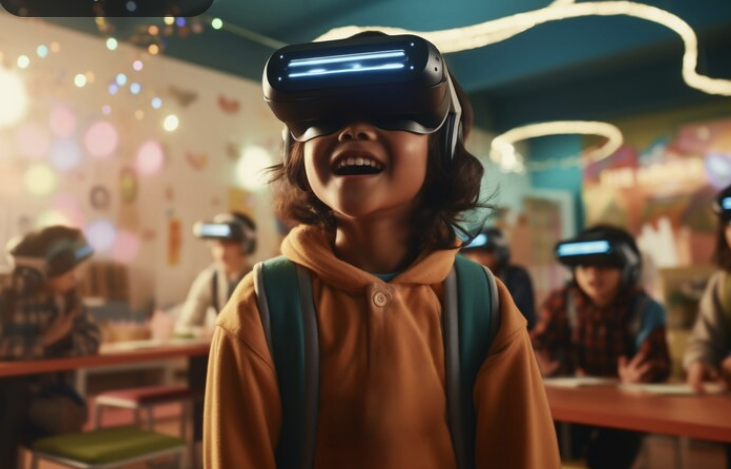
The School of the Future: Reimagining Global Education
What is this project about?
A creative project idea where students from different countries collaborate to design and visualize what the ideal school of the future would look like, considering cultural diversity, educational innovation, and sustainability.
- Age group
- 13-15, 16-18, 18+
- Project Duration
- 4 weeks
- Language
- English, Spanish, Danish
This project contributes to the following global goals
Learning Outcomes
- Develop creative thinking and innovation skills.
- Foster awareness of global educational challenges.
- Strengthen international collaboration skills.
- Stimulate critical thinking about the future of education.
- Practice presentation and visual communication skills.
Evaluate
Skills to develop
Intercultural Communication
Critical Thinking & Problem-Solving
Global Awareness
Digital Literacy
Collaboration & Teamwork
Critical Thinking & Problem-Solving
Collaboration
Project Timeline
1
Week 1
Presentation
Phase:Presentation & Dissemination
Step 1: Exploration and Research
- Introduce the project and its objectives to the students.
- Form groups of 4 or 5 students.
- Assign each group a research area:
- Current educational innovations
- Student needs
- Local educational traditions
- Emerging technologies in education
- Each group should submit a one-page report on their findings and share it with the rest of the class.
- They will conduct interviews with their peers about educational needs to address and learning preferences.
- They will use the project board on Class2Class.org to share their findings or create a "bright ideas" section.
Step 2: Collaborative Design
- Organize a virtual meeting between international teams.
- Hold a brainstorming session on key elements for the school of the future.
- Create an inspiration board on Padlet and share the link on the platform, gathering the highlighted ideas.
- The proposals should focus on the following points:
- Define cultural aspects to incorporate.
- Outline ideas for educational spaces.
- Describe innovative teaching methods.
- Identify technologies to be used.
- Describe what the student experience would be like.
- With these ideas established, students will create a visual proposal, such as a digital drawing, collage, or model.
Step 3: Educational Innovation Festival
- Each class presents their proposal on the platform board for exhibition.
- Students are encouraged to leave comments or questions on the presented proposals.
- A video call is organized for students to explain their proposals and define what the school of the future would look like.
- At the end, a reflection is held on the learnings gained throughout the process, and students are congratulated for their active and creative participation in the project.
Assessment and reflection ✍️
- Evaluate student participation in research and presentation.
- Monitor engagement in cross-cultural discussions.
- Assess quality of digital content creation.
- Observer student interaction during virtual exchanges.
- Written reflections on personal growth and learning.
Teacher tips 💡
- Foster a safe and inclusive learning environment that values diverse perspectives and experiences.
- Provide clear guidelines and expectations for respectful communication and collaboration. We suggest you review the coexistence policies of Class2Class.org.
- Facilitate the formation of diverse international teams, ensuring a mix of skills, backgrounds, and perspectives.
- Provide scaffolding and support throughout the research and action planning process, offering guidance and resources as needed.
- Encourage student agency and ownership of their learning, allowing them to drive the direction of their projects.
- Celebrate student achievements and facilitate meaningful reflection on their growth and the impact of their actions.
This project allows students to express their creativity while addressing important topics about the future of education. The combination of design, technology, and international collaboration makes learning meaningful and memorable. Additionally, by being held during International Day of Education, the project takes on special significance and encourages reflection on the importance of innovative and accessible education for all.