Skills for Success
What is this project about?
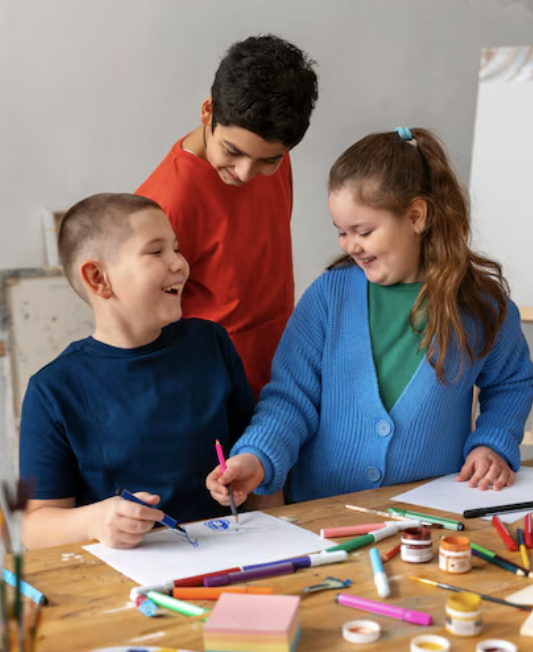
"Skills for Success" is an engaging project that empowers students aged 6-13 to develop essential life skills through a series of collaborative challenges and activities. By fostering teamwork, problem-solving, creativity, and communication, this project aims to equip young learners with the tools they need to thrive in a rapidly changing world. Students will work together with their international peers to complete exciting challenges, share their unique talents.
- Age group
- 6-8, 9-12, 13-15
- Project Duration
- 4 weeks
- Language
- English, Spanish, Danish
This project contributes to the following global goals
Learning Outcomes
- Understand the importance of developing diverse skills for personal and future success.
- Develop collaboration, communication, problem-solving, and creative thinking skills.
- Enhance self-awareness and appreciation for individual strengths and talents.
- Foster global citizenship and cultural understanding through international collaboration.
- Inspire students to embrace lifelong learning and skills development.
Evaluate
Skills to develop
Intercultural Communication
Critical Thinking & Problem-Solving
Global Awareness
Digital Literacy
Collaboration & Teamwork
Adaptability & Leadership
Critical Thinking & Problem-Solving
Project Timeline
1
Week 1
Presentation
Phase:Presentation & Dissemination
Step 1: Introduce the skills adventure
- Engage students in discussions about the importance of skills development and the diverse talents each person possesses.
- Present the project as an exciting adventure where students will collaborate with international peers to complete skill-building challenges.
- Use age-appropriate resources such as videos, stories, and games to introduce the concept of skills and their relevance to success.
Step 2: Form skill squads
- Connect with partner classrooms from different countries through the Class2Class.org platform.
- Facilitate introductions and icebreaker activities to help students build rapport with their international peers. For example:
- Quick Question. Ask a simple and fun question like "What's your favorite ice cream flavor?" or "What superpower would you like to have?" and have the students respond quickly.
- Quick Trivia. Prepare a simple trivia question and ask the students to respond in the chat as quickly as possible.
- Guide students in forming skill squads with their partners, choosing team names, and creating squad logos.
Step 3: Skill-building challenges
- Present students with a new skill-building challenge that focuses on a specific life skill, such as problem-solving, creativity, communication, or teamwork.
- Provide age-appropriate instructions, resources, and materials for each challenge, adapting the complexity to suit the needs of your students.
- Encourage skill squads to collaborate, share ideas, and support each other in completing the challenges. Example of Challenges:
- Problem-solving. Design and build a simple machine using everyday materials to solve a given problem.
- Creativity. Create a short story, skit, or artwork that represents the squad's unique talents and cultural backgrounds.
- Communication. Develop and present a short video or presentation teaching a new skill to the class.
- Teamwork: Complete a virtual escape room or puzzle that requires collaboration and collective problem-solving.
Step 4: Skill showcase
- Organize a virtual skills showcase where students can present their completed challenges and celebrate their achievements with the global community.
- Encourage skill squads to share their experiences, lessons learned, and how they plan to apply their newfound skills in the future.
Step 5: Reflection and celebration
- Guide students in reflecting on their skill-building journey, the challenges they faced, and the growth they experienced.
- Facilitate discussions and activities that help students recognize the value of diverse skills and the importance of lifelong learning.
- Celebrate the project's success by awarding certificates to your students at a special celebration event.
Assessment and reflection ✍️
- Observe how well your students have worked as a team, how actively they have participated and the progress they have made in practicing and developing their skills throughout the various challenges (i.e., formative assessment).
- Evaluate how well your students performed on the assigned tasks and projects, as well as how innovative and original their work was when presenting their findings. (i.e. Summative assessment)
- Reflective activities such as skill journals, self-assessments, and group discussions to capture personal growth and learning.
Teacher tips 💡
- Create a supportive and inclusive learning environment that values diversity and individual strengths.
- Provide clear guidelines and expectations for respectful communication and collaboration. We suggest you review the coexistence policies of Class2Class.org.
- Adapt the challenges and activities to suit the age, abilities, and interests of your students.
- Foster a growth mindset by emphasizing the process of learning and improvement rather than perfection.
- Celebrate the unique talents and contributions of each student and skill squad.
By participating in "Skills for Success," your students will embark on an exciting journey of self-discovery, collaboration, and skills development. Through engaging challenges and international partnerships, they will gain valuable life skills, build confidence, and develop a global perspective.