
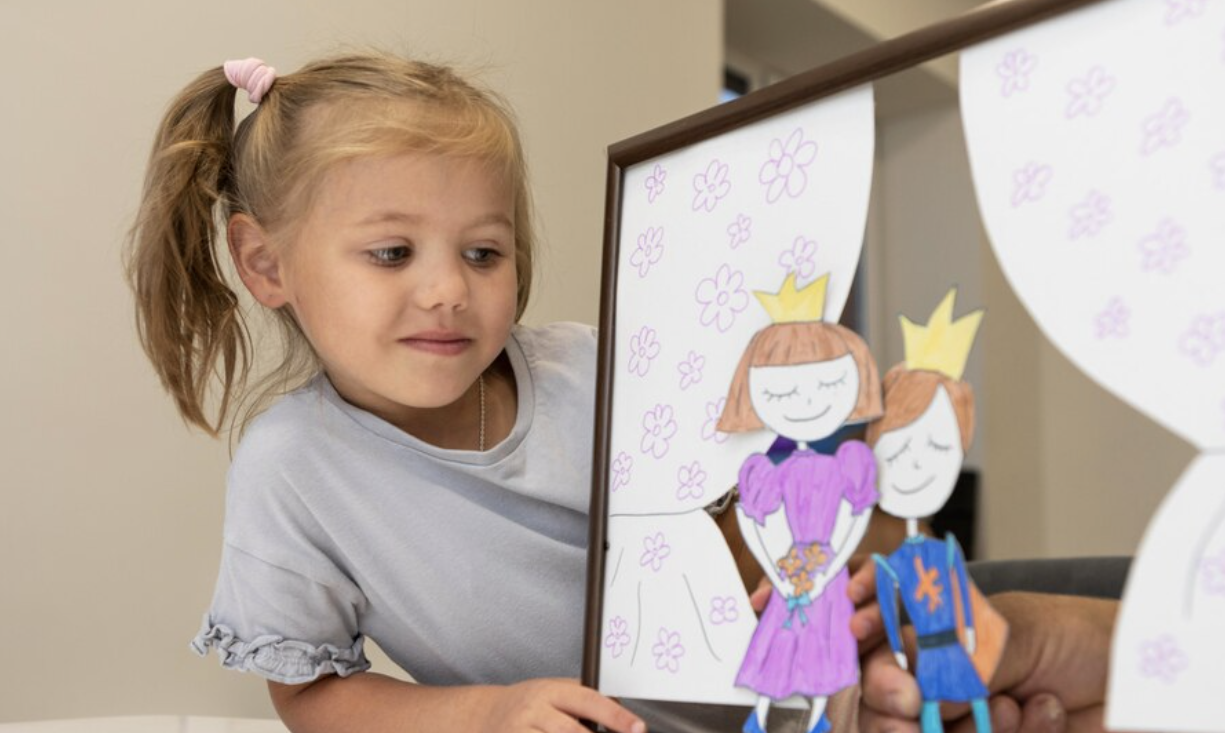
Puppets for Peace
What is this project about?
This project engages students with the theme of living together in peace by fostering empathy and understanding through puppet role-playing, aligning with the goal of SDG 16 to promote peaceful and inclusive societies.
- Age group
- 6-8, 9-12, 13-15
- Project Duration
- 4 weeks
- Language
- English, Spanish, Danish
This project contributes to the following global goals
Learning Outcomes
- Develop empathy by interpreting different scenarios that require cooperation and peaceful conflict resolution.
- Enhance creativity through the design and use of puppets as a means of storytelling.
- Promote collaboration and communication skills as students work together to write scripts and perform puppet shows.
Evaluate
Skills to develop
Intercultural Communication
Global Awareness
Collaboration & Teamwork
Collaboration
Project Timeline
1
Week 1
Presentation
Phase:Presentation & Dissemination
Step 1: Introduction
- Teachers introduce the concept of peace and the basics of puppet-making.
- Students begin designing their puppets and generating ideas for stories that illustrate peaceful living.
Step 2: Script writing and rehearsals
- Students write scripts for their puppet shows in small groups, focusing on stories that resolve conflicts through peaceful means.
- They begin their initial rehearsals with their puppets to refine their performances.
Step 3: International collaboration and practice
- Students connect with their international peers to share their puppet designs and story ideas, and receive feedback and suggestions for improvement.
- They continue rehearsals, incorporating any new ideas based on the feedback received.
Step 4: Final performances and global exchange
- Students perform their puppet shows for the class and share recordings of their performances with their international peers on Class2Class.org.
- Organize a virtual "Peace Puppet Festival" where classes can view each other's performances.
Collaborative activities
- Puppet making workshops. Students participate in a workshop to create their puppets, using materials such as socks, paper bags, or recyclable materials.
- Role-playing games. Engage students in role-playing games focusing on conflict resolution and teamwork, preparing them for the puppet show performances.
- Interactive feedback sessions. Organize live feedback sessions with international peers, discussing the stories they will present with their puppets and exchanging ideas on promoting peace.
Assessment and reflection ✍️
- After the puppet shows, students reflect on what they learned about peace and cooperation from their stories.
- Students provide feedback on each other’s performances, focusing on the message of peace and the creativity of the puppetry.
Teacher tips 💡
- Monitor group dynamics to ensure inclusive participation and that all voices are heard in the storytelling process.
- Guide students in understanding complex themes like peace and justice in a manner that is age-appropriate and engaging.
- Provide clear guidelines and expectations for respectful communication and collaboration. We suggest you review the coexistence policies of Class2Class.org.
- Provide examples of puppet shows or stories that effectively communicate messages of peace and cooperation to inspire students.
Through the "Puppets for Peace" project, students not only learn about living together in peace but also engage creatively in expressing these ideas through puppetry and performance. This project provides a platform for students to actively participate in storytelling, fostering a deeper connection with global peers and promoting a culture of peace and understanding at a young age.