
Little Clean Energy Inventors
What is this project about?
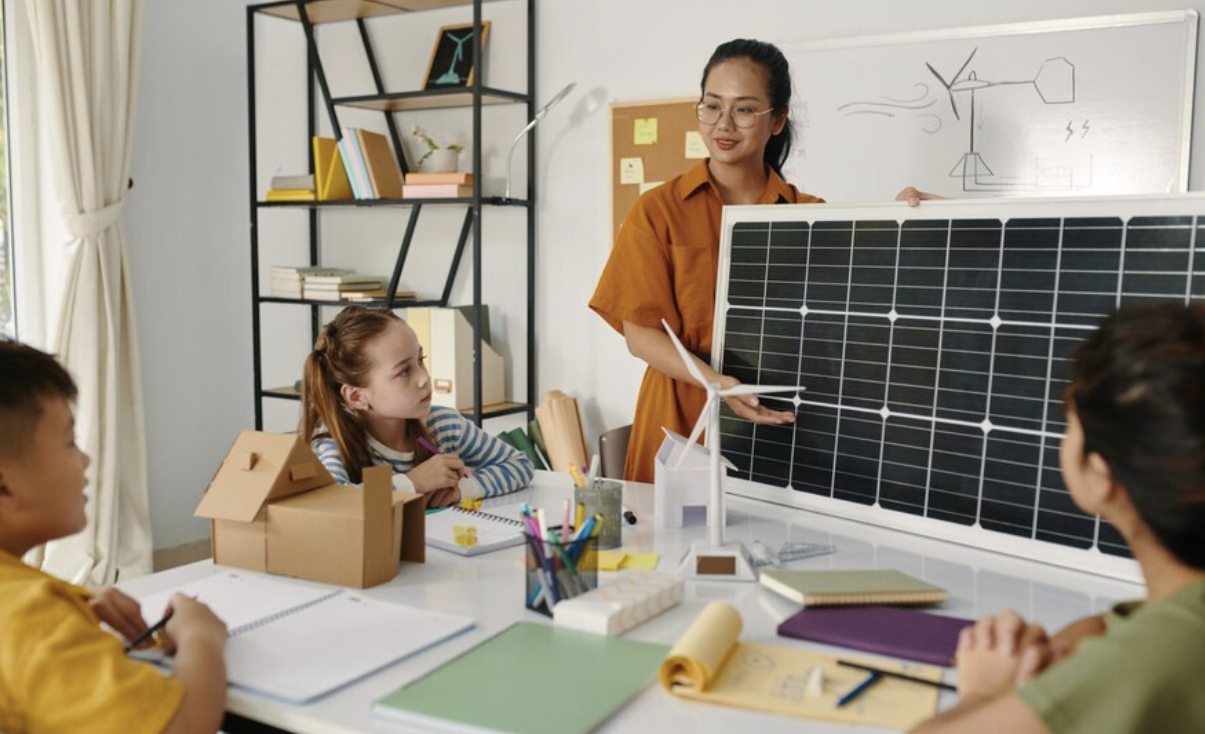
Transform your students into "clean energy inventors" who will work in international teams to create simple, creative solutions promoting renewable energy use in their schools and homes. Through hands-on experiments and engaging activities, students will discover how they can contribute to a more sustainable future while developing essential skills in science, creativity, and global collaboration.
- Age group
- 6-8, 9-12, 13-15
- Project Duration
- 4 weeks
- Language
- English, Spanish, Danish
This project contributes to the following global goals
Learning Outcomes
- Understand basic renewable energy concepts through playful experimentation.
- Develop creative thinking and problem-solving abilities through the Design Thinking process.
- Strengthen international collaboration and communication skills.
- Build awareness about responsible energy use.
- Learn to design and construct simple prototypes.
- Practice presenting ideas to an international audience.
Evaluate
Skills to develop
Intercultural Communication
Critical Thinking & Problem-Solving
Global Awareness
Digital Literacy
Collaboration & Teamwork
Adaptability & Leadership
Critical Thinking & Problem-Solving
Collaboration
Emotional Intelligence
Innovation
Project Timeline
1
Week 1
Presentation
Phase:Presentation & Dissemination
Step 1: Empathy
- Explain the project objectives to the students.
- Organize groups of 4 or 5 students to work collaboratively.
- Each team documents how energy is used at home or school through drawings or photos.
- Record which appliances consume the most energy and reflect on when and how energy could be saved.
- Teams upload their journals to the board section of the platform.
- Encourage comments or questions among students about:
- Energy usage in different countries.
- Comparing energy challenges faced by partner classes.
Step 2: Definition
- Guide students to design a visual map that organizes the energy challenges or problems they have identified.
- Use tools like Padlet to group similar problems and facilitate collaborative visualization.
- Share the map link on the platform’s board so international peers can access and review the information.
- Assist students in:
- Identifying the top three energy challenges.
- Detecting common issues among the partner schools.
- Selecting a specific problem they wish to solve.
- Students will then continue exploring the chosen challenge to gain a deeper understanding and will post their findings on the platform’s board to encourage idea exchange with their partner class.
Step 3: Ideate
- Facilitate a creative session where students propose potential solutions to the identified problem.
- Guide the teams to evaluate the ideas and choose the most suitable solution based on the problem and available resources.
- Use the platform’s board to share the selected idea through drawings, descriptions, or diagrams of the ideal solution.
- Invite the partner class to review the proposals, provide feedback, or ask questions that encourage reflection and improvements.
Step 4: Prototype
- Support students in developing a prototype of their solution. This can be a drawing, a digital design, or a physical model.
- Encourage students to use recyclable products in constructing their prototypes, promoting sustainability.
- Suggested Ideas for Prototypes:
- Devices or tools to optimize energy use.
- Visual campaigns to raise awareness about energy conservation.
- The design of a classroom or space that promotes efficient energy use.
- Some examples:
- Mini Wind Turbine. The Mini Wind Turbine activity uses simple materials to demonstrate wind energy conversion, allowing students to create and test their own working turbine model. Students can experiment with blade angles and wind speeds to understand how wind farms work, making renewable energy concepts tangible and engaging.
- Energy-Efficient City Model. This hands-on project allows students to design and build a miniature sustainable city using recycled materials, where they can incorporate and showcase different types of renewable energy solutions like solar panels, wind turbines, and green spaces. Through this creative model-building activity, students learn about urban sustainability while visualizing how different clean energy sources can work together in their communities.
- Energy-Saving School Model. Using a cardboard box as their school building, students create a model that demonstrates various energy-saving features such as LED lights, reflective materials, and simulated motion sensors. This interactive model helps students identify and understand practical energy-efficiency solutions they could implement in their own school while sharing ideas with their international partner class.
Step 5: Test and Preparation
- Guide students in refining their prototype, ensuring it clearly reflects the solution to the identified problem.
- Support students in preparing a simple PowerPoint (PPT) presentation to explain their proposed solution.
- Structure of the presentation:
- Introduction: Briefly summarize the problem being addressed.
- Solution: Explain how the proposal works and how it tackles the problem.
- Conclusion: Highlight the conclusions and lessons learned during the process.
Step 6: Final Presentation
- Organize a video call with the partner classes to share the final work.
- Each team presents their prototypes or proposed solutions to the identified problem.
- Encourage a feedback session where the classes can provide constructive comments.
- At the end, encourage students to share their learnings and reflections on the process, highlighting how they collaborated to find solutions and what new perspectives they gained throughout the project.
Assessment and reflection ✍️
- Rubrics to assess student participation, collaboration, and the quality of their research and presentations.
- Assessment Matrix - Facing a global challenge
- Reflective journal prompts to encourage students to think critically about their learning, personal growth, and the potential impact of their actions.
- Peer and self-assessment opportunities to foster accountability and ownership of learning.
Teacher tips 💡
- Foster a safe and inclusive learning environment that values diverse perspectives and experiences.
- Provide clear guidelines and expectations for respectful communication and collaboration. We suggest you review the coexistence policies of Class2Class.org.
- Facilitate the formation of diverse international teams, ensuring a mix of skills, backgrounds, and perspectives.
- Provide scaffolding and support throughout the research and action planning process, offering guidance and resources as needed.
- Encourage student agency and ownership of their learning, allowing them to drive the direction of their projects.
- Celebrate student achievements and facilitate meaningful reflection on their growth and the impact of their actions.
This project makes clean energy accessible and exciting for young students. Through international collaboration, they'll develop global awareness while creating hands-on solutions. The practical, playful approach ensures meaningful learning experiences for all participants.
Ready to start? Log into Class2Class.org, visit the Connect section to find a partner class, and begin inspiring your students to become clean energy inventors! Remember to check the Resources section for additional support materials and learning activities related to SDG 7.