
Innovating for Atmospheric Protection

What is this project about?

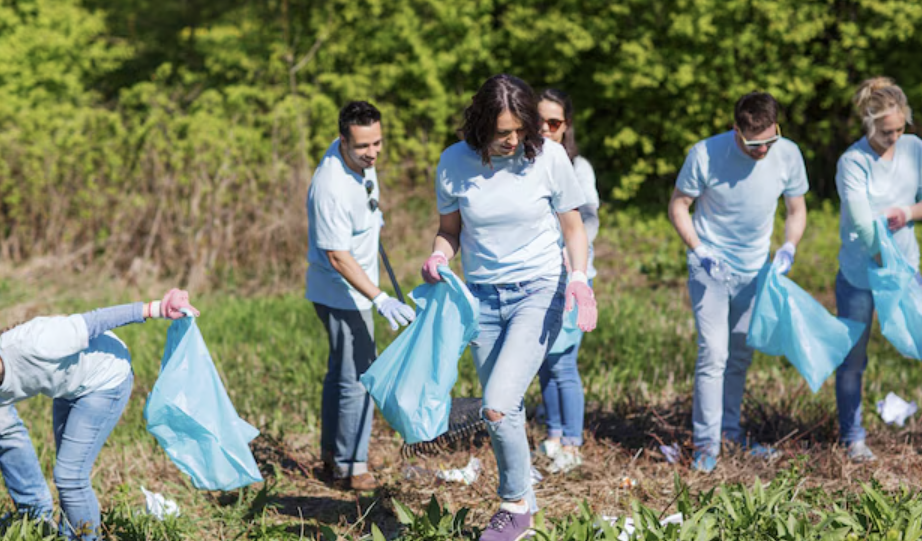
This project idea challenges students aged 13 to 19 to become environmental leaders and problem-solvers in the fight to protect the ozone layer. Using design thinking methodology, students will collaborate with international partners to investigate ozone depletion issues, develop creative solutions, and launch awareness campaigns or technological innovations.

Age group
13-15, 16-18, 18+
Project Duration
4 weeks
Language
English, Spanish, Danish

This project contributes to the following global goals
Climate Action

Learning Outcomes

  1. Understand the importance of the ozone layer and the impact of its depletion.
  2. Apply design thinking principles to address real-world environmental challenges
  3. Develop skills in scientific research, data analysis, and environmental monitoring.
  4. Enhance innovation, problem-solving, and project management abilities.
  5. Foster global awareness and cross-cultural collaboration on environmental issues.

Evaluate

Skills to develop

Intercultural Communication
Critical Thinking & Problem-Solving
Global Awareness
Digital Literacy
Collaboration & Teamwork
Adaptability & Leadership
Critical Thinking & Problem-Solving
Collaboration
Emotional Intelligence
Innovation

Project Timeline

1
Week 1

Presentation

Phase:Presentation & Dissemination

Step 1: Empathize

  • Introduce the project and form teams.
  • Guide students in researching ozone layer depletion, its causes, and global impacts.
  • Facilitate virtual meetings between international partners to share findings and perspectives.
  • Conduct interviews with environmental experts or analyze local environmental data.

Step 2: Define
  • Analyze research findings and identify specific ozone-related challenges to address.
  • Help the teams create problem statements that clearly define the issues they will address, and share this information in the board section of the Class2Class.org platform.
  • Encourage teams to establish project goals and success criteria.

Step 3: Ideate
  • Facilitate brainstorming sessions to generate innovative solutions for ozone protection.
  • Guide teams in evaluating and refining their ideas.You can share this information in the board section of the Class2Class.org platform.
  • Encourage cross-team collaboration and idea-sharing.

Step 4: Prototype and test
  • Support teams in developing prototypes for their ozone layer protection solutions. Some examples:
    • Environmental awareness campaign. Create a multimedia campaign that educates the community about the importance of the ozone layer and how to reduce the emission of CFCs (chlorofluorocarbons), chemical compounds widely used in refrigeration, air conditioning, aerosols, and as foaming agents, which deplete ozone molecules.
    • School program for CFC reduction. Implement a school program that promotes sustainable practices, such as using CFC-free products and advocating for proper recycling methods.
  • Provide resources, educational materials, or technological innovations to assist them during prototype development.
  • Facilitate feedback sessions with environmental experts or community stakeholders.
  • Help teams implement their prototypes or small-scale pilot programs.
  • Guide students in collecting data and feedback on the effectiveness of their solutions.
  • Facilitate reflection and iteration based on test results.

Step 5: Implement and share
  • Support teams in launching their refined ozone protection initiatives.
  • Organize a video call for Classrooms to present their projects and results.
  • Share a brief presentation about their project.
  • Facilitate reflection on the impact of the initiatives and lessons learned.

Assessment and reflection✍️


  • Evaluate students' understanding of ozone layer science and environmental issues.
  • Assess the quality, creativity, and potential impact of ozone protection initiatives.
  • Monitor students' growth in scientific research, innovation, and collaboration skills.
  • Encourage ongoing reflection through project journals and team discussions.

Teacher tips 💡


  • Foster a supportive environment that encourages scientific inquiry and creative problem-solving.
  • Foster a supportive environment that encourages risk-taking and learning from failures.
  • Provide guidance on cultural sensitivity and effective cross-cultural communication.
  • Provide clear guidelines and expectations for respectful communication and collaboration. We suggest you review the coexistence policies of Class2Class.org.
  • Provide guidance on accessing and interpreting scientific data related to ozone depletion.
  • Connect students with environmental organizations or experts for mentorship and support.
  • Emphasize the global nature of ozone protection to inspire cross-cultural collaboration.