Healing Traditions
What is this project about?
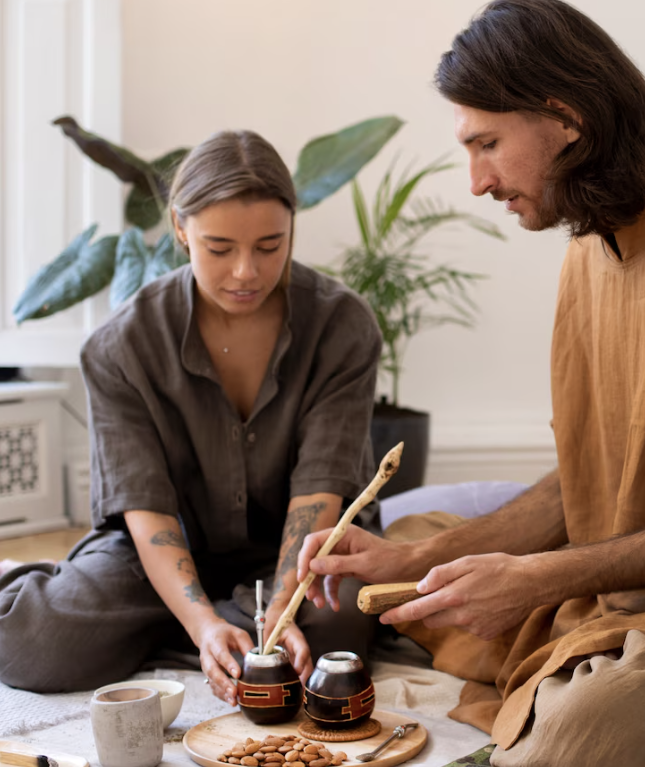
In this project, students from different countries will explore traditional medicine and wellness practices from their cultures. Through videos, posters, and discussions, they'll reflect on what “being healthy” means and how traditional methods support wellbeing today. The project ends with a shared digital exhibition celebrating global healing traditions and promoting cross-cultural understanding.
- Age group
- 13-15, 16-18, 18+
- Project Duration
- 4 weeks
- Language
- English, Spanish, Danish
Learning Outcomes
Students will:
- Understand a variety of traditional and cultural approaches to health and wellness, including their historical, spiritual, and community dimensions.
- Strengthen research, digital communication, critical thinking, and cross-cultural collaboration through shared inquiry and co-creation.
- Cultivate openness, empathy, and respect toward diverse worldviews on wellbeing, recognizing the value of ancestral and community-based knowledge.
Evaluate
Skills to develop
Intercultural Communication
Critical Thinking & Problem-Solving
Global Awareness
Digital Literacy
Collaboration & Teamwork
Collaboration
Project Timeline
1
Week 1
Presentation
Phase:Presentation & Dissemination
Step 1: Engage
- Teachers introduce the project by explaining its purpose and guiding students to explore the topic.
- Launch an icebreaker activity by asking students the question: “What does being healthy mean to me?”
- Students share their responses (drawings, phrases, audio, or short texts) on the collaborative project board.
- Then, each class is invited to share presentation or a short video introducing:
- Their country
- Key aspects of their culture
- Local wellness habits (such as food, exercise, traditions, etc.)
- This cultural exchange sets the stage for teachers to guide a class discussion on modern medicine vs. traditional medicine.
- During the discussion, students reflect on questions such as:
- What kind of medicine do we use at home?
- What are the benefits and challenges of each approach?
- How does culture shape our understanding of health and wellness?
- The class creates a short visual or written summary highlighting the key ideas discussed. This summary can be uploaded to the project board as evidence of the initial learning phase.
Step 2: Explore
- Students research local or Indigenous healing traditions, such as Ayurveda, Traditional Chinese Medicine, herbal remedies, or other culturally rooted practices from their region.
- Partner classes present their findings through short documentary-style videos or digital posters, which are uploaded to the collaborative project board.
- Interaction between classes is encouraged by inviting students to post questions, comments, and curiosities on the board in response to the shared content.
Step 3: Explain
- In class, organize a roundtable discussion where students share what they’ve learned about key aspects of wellness practices in their own culture, such as:
- Mind–body balance
- Healing rituals
- Nutrition
- Rest
- Emotional or spiritual elements
- Prepare visual resources or brief slide presentations (using Google Slides, Canva, infographics, etc.) to support their oral presentations.
- Each class selects students to serve as presenters and listeners for a virtual roundtable with partner classrooms, where they will share insights about wellness in their country or region.
- Upload the presentations to the collaborative project board and encourage students to comment on each other’s contributions, fostering intercultural dialogue.
- Use the following guiding questions to enrich discussion and deepen understanding:
- What does "healing" mean in our culture and in our partners' cultures?
- What surprised or stood out to you from another class's traditions?
- Moderate the discussion to highlight common themes (such as connection to nature, family involvement, or preventive care) and unique elements (such as music, fasting, energetic concepts, etc.).
- (Optional) Invite a guest expert to speak with students about traditional wellness and healing practices. Suggested speakers:
- Local traditional healer, community herbalist, or curandero
- Anthropologist specializing in Indigenous knowledge
Step 4: Elaborate
- Form teams to co-create a virtual exhibition titled “Healing Wisdoms.”
- Each team chooses a creative format for their contribution:
- Photo essays
- Digital posters
- Short or narrated videos
- Projects should showcase the diversity of healing and wellness practices explored throughout the project. Suggested themes for student teams include:
- Plants That Heal
- Ceremonies for the Spirit
- Grandmother’s Remedies
- Ancestral Wisdom and Health
- Healing Through Nature
- Teams upload their work to the project board, where students can explore, comment on, and learn from each other’s contributions.
Step 5: Evaluate
- Schedule a video call with your partner class to share final project outcomes and reflect together.
- Agree on a date and time in advance.
- Organize students to present:
- Their team’s contribution (video, digital poster, photo essay, etc.)
- A short explanation of their work (chosen theme, cultural elements included, key takeaways)
- Each group presents their work, section by section (this can be shown as a video, presented live, or read aloud).
- Facilitate a joint discussion using guiding questions such as:
- What cultural elements are reflected in each presentation?
- What similarities or differences did you notice among the healing practices?
- Which part of the project did you find most creative, surprising, or meaningful?
- Final reflection questions:
- What did you learn about your peers from the other country or region?
- How did this project change your perspective on health, wellness, or cultural diversity?
- What personal insights or takeaways will you carry with you from this experience?
- After the meeting, invite students to post their final reflections (thoughts, learnings, feelings) on the project board, to continue the conversation and document the project’s closing.
Assessment and reflection ✍️
Criteria:
- Participation in research and discussions about wellness and healing.
- Teamwork and collaboration.
- Creativity in presentations (videos, posters, drawings).
- Contributions about cultural traditions and health.
Questions to answer:
- What did you learn about the other class’s wellness practices?
- What similarities and differences did you find with your own?
- How did this project change your view of cultural health?
- Which practice was most important to you and why?
Teacher tips 💡
- Foster a safe and inclusive learning environment that values diverse perspectives and experiences.
- Provide clear guidelines and expectations for respectful communication and collaboration. We suggest you review the coexistence policies of Class2Class.org.
- Facilitate the formation of diverse international teams, ensuring a mix of skills, backgrounds, and perspectives.
- Provide scaffolding and support throughout the research and action planning process, offering guidance and resources as needed.
- Encourage student agency and ownership of their learning, allowing them to drive the direction of their projects.
- Celebrate student achievements and facilitate meaningful reflection on their growth and the impact of their actions.
This project idea offers a unique opportunity for students to connect, listen, and learn across cultures while rethinking what it means to be well. By grounding learning in lived experiences and cultural values, students not only build global awareness but also develop a personal connection to global citizenship.