
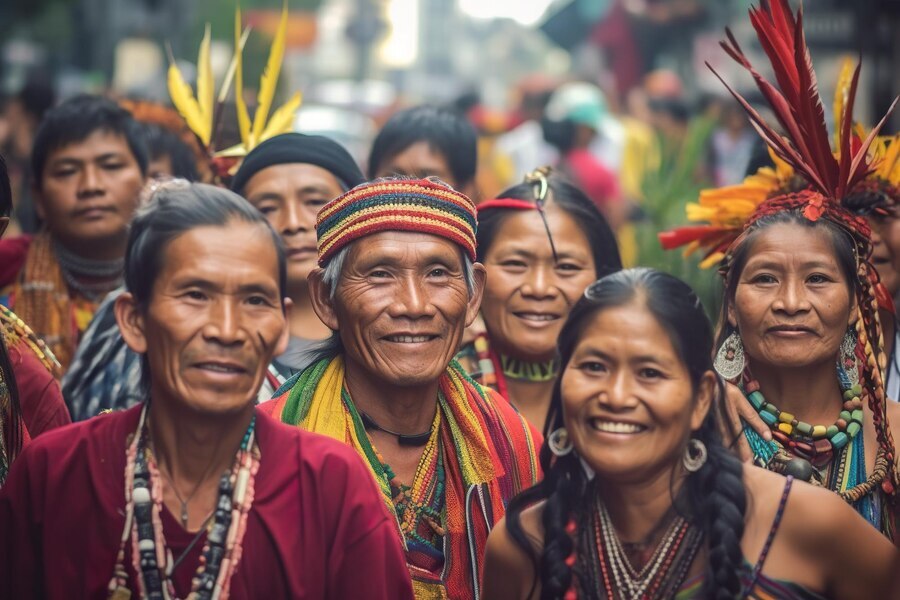
Guardians of Heritage: A Youth-Led Journey into Indigenous Wisdom
What is this project about?
This project is designed for students aged 13 to 19 who are eager to participate actively, unleash their creativity, and become agents of change. By fostering curiosity, empathy, and intercultural understanding, this project aims to empower students to celebrate diversity, challenge stereotypes, and take action to support indigenous rights and cultural preservation.
- Age group
- 13-15, 16-18, 18+
- Project Duration
- 4 weeks
- Language
- English, Spanish, Danish
This project contributes to the following global goals
Learning Outcomes
- Develop understanding and appreciation of the diverse cultures, histories, and contributions of indigenous peoples around the world.
- Engage in collaborative research to uncover the unique traditions, knowledge systems, and perspectives of indigenous communities.
- Enhance critical thinking and communication skills by analyzing and creating diverse cultural content.
- Foster empathy, cultural sensitivity, and intercultural understanding through respectful dialogue and collaboration with international peers.
- Empower students to become advocates for indigenous rights, cultural preservation, and the celebration of diversity.
Evaluate
Skills to develop
Intercultural Communication
Critical Thinking & Problem-Solving
Global Awareness
Digital Literacy
Collaboration & Teamwork
Collaboration
Project Timeline
1
Week 1
Presentation
Phase:Presentation & Dissemination
Step 1: Ignite curiosity and form teams
- Engage students in interactive discussions, debates, and role-playing activities that explore the importance of cultural diversity, indigenous rights, and challenging stereotypes.
- Connect with partner classrooms from different countries through the Class2Class.org platform.
- Form teams based on their skills and interests related to indigenous cultures and advocacy for their rights.
Step 2: Research
- If possible, invite Indigenous experts, activists, and artists to share their experiences and views, inspiring students to think critically about Indigenous culture.
- Encourage teams to continue researching the topic.
- Assist students in brainstorming innovative ways to share their learnings with their international peers.
Step 3: Cultural research missions
- Challenge teams to embark on cultural research missions focused on different aspects of indigenous cultures, such as traditional knowledge, art, language, and activism.
- Guide teams in critical analysis and reflection on their findings, considering issues of representation, cultural appropriation, and ethical storytelling.
Step 4: Creative advocacy campaigns
- Challenge teams to present the results of their research in creative awareness campaigns that challenge stereotypes and promote indigenous rights.
- Encourage teams to explore various campaign formats, such as interactive exhibitions, social media campaigns, short films, or participatory art projects, based on their skills and interests.
- Provide mentoring and resources to help teams develop their proposal to engage the target audience and measure the impact of their campaigns.
- Organize a virtual festival where teams can present their campaigns, engage in intercultural dialogue, and inspire collective action.
Step 5: Reflection and future advocacy
- Facilitate reflection activities and debates that encourage students to critically examine their growth, challenges, and perceptions throughout the project.
- Celebrate the achievements and transformative potential of the teams, emphasizing the power of youth collaboration to drive social change.
Assessment and reflection ✍️
- Assessment of soft skills such as engagement, cultural sensitivity, and collaboration of students during research and campaign development.
- Evaluation focused on the quality, creativity, and impact of research findings, campaigns, and personal action plans.
- Implementation of reflection activities, such as video journals, group dialogues, and self-assessments, to capture the personal growth and intercultural learning of students.
Teacher tips 💡
- Foster a safe and inclusive learning environment that values diverse perspectives and experiences.
- Provide clear guidelines and expectations for respectful communication and collaboration. We suggest you review the coexistence policies of Class2Class.org.
- Facilitate the formation of diverse international teams, ensuring a mix of skills, backgrounds, and perspectives.
- Provide scaffolding and support throughout the research, offering guidance and resources as needed.
- Encourage student agency and ownership of their learning, allowing them to drive the direction of their projects.
- Celebrate student achievements and facilitate meaningful reflection on their growth and the impact of their actions.