
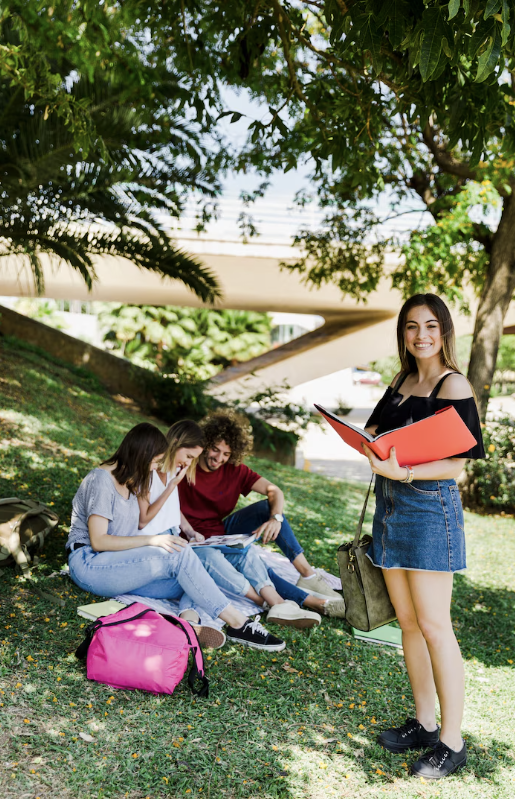
Greener Cities, Better Lives
What is this project about?
Students from different cities explore how urban green spaces impact health, climate, and equality. Through research, mapping, and design, they compare local realities and create proposals for more sustainable, inclusive urban environments—fostering global awareness and action.
- Age group
- 13-15, 16-18, 18+
- Project Duration
- 4 weeks
- Language
- English, Spanish, Danish
This project contributes to the following global goals
Learning Outcomes
By the end of the project, students will:
- Identify key environmental, social, and health benefits of urban green spaces through local research.
- Compare the availability and quality of green spaces across partner communities using data and observation tools.
- Analyze how access to nature in cities relates to equity, climate resilience, and well-being.
- Design a green space proposal that responds to real needs, using cross-cultural collaboration and digital tools.
- Reflect on the role of youth in shaping sustainable cities and propose actionable steps in their communities.
Evaluate
Skills to develop
Intercultural Communication
Critical Thinking & Problem-Solving
Global Awareness
Digital Literacy
Collaboration
Project Timeline
1
Week 1
Presentation
Phase:Presentation & Dissemination
Step 1: Engage (Goal: Spark curiosity and establish relevance)
- Introduce the project objectives to the students, ensuring they understand the goals and purpose.
- Start with an icebreaker activity that allows students to introduce themselves to their international peers, using the project’s board section.
- Guide students to identify green spaces near their home or community (parks, gardens, plazas, etc.).
- Encourage them to take photos or record short videos of the closest green space, if possible.
- Ask them to reflect on the role that green space plays in their daily lives. You can guide them with these questions:
- How often do you visit this place?
- What activities do you do there?
- How does being in contact with nature make you feel?
- Ask them to share their photos, videos, and reflections in the project’s board section.
Step 2: Explore (Goal: Encourage inquiry and cultural comparison)
- Guide students to map local green spaces using Google My Maps or similar digital tools. They can mark parks, gardens, plazas, and add basic information (name, location, type of use, observations).
- Instruct students to carry out short surveys or interviews with classmates, family members, or community members to learn how green spaces are used and how they impact well-being.
- Ask students to conduct an observation in a nearby public green space. They should record:
- Types of plants and trees they see.
- Presence of birds, insects, or other animals.
- General condition of the place (cleanliness, shade, seating, accessibility).
- How people are using the space (walking, sports, resting, etc.).
- Request that students prepare a brief document (digital or visual format) with the results of their exploration: maps, surveys, and observations. Upload it to the project board.
- Encourage students to read contributions from other classes on the project board and leave comments to exchange ideas, identify similarities and differences, and build a collective understanding of green spaces in different communities.
Step 3: Explain (Goal: Deepen understanding and formalize learning)
- Introduce key concepts such as urban equity, environmental justice, ecosystem services, and access to public space. Use short videos, infographics, or simple case studies to make these ideas accessible and relevant for students.
- Guide students to analyze and interpret the data they gathered in previous phases (maps, surveys, biodiversity observations). Encourage them to use simple visuals like charts, tables, or images to organize their findings and identify patterns.
- Support students in reflecting on the meaning of their data by helping them answer questions such as:
- Who has access to green spaces?
- Who does not?
- Why do these differences exist?
- Use the information collected to help students answer the guiding question:
- What makes a green space equitable and impactful?
- This can be explored through small group discussions, class debates, or written reflections.
- Guide students in creating presentations that explain their findings to their international peers. Presentations should include their conclusions, local examples, and possible suggestions for improving green spaces in terms of equity and well-being.
- Encourage collaboration across classes by uploading presentations to the project board and engaging through peer feedback.
- Students should read the work of other schools and leave constructive comments focused on the ideas presented and the differences or similarities they observe.
- If possible, invite a local expert (e.g., urban planner, city official, or environmentalist) to join a live or recorded Q&A session. Ask students to prepare three guiding questions in advance, based on what they’ve learned, to lead the discussion and deepen their understanding.
Step 4: Elaborate (Goal: Apply learning in creative ways)
- Guide students to design their "Dream Green Space" based on the information they’ve gathered throughout the project.
- The proposal should respond to the real needs of their community, considering social, environmental, and well-being aspects.
- Let students use drawing tools, 3D modeling, or digital prototyping to bring their idea to life. Some accessible tools include: Canva, Tinkercad, Google Slides, or other creative platforms.
- Make sure their design integrates key elements of well-being, such as:
- Shade and climate protection
- Accessibility for everyone
- Biodiversity and visible nature
- Features that support mental health and social interaction
- Ask students to present their idea in a simple digital format that includes:
- Project title
- Main needs they aim to address with their proposal
- Images or visual representations of the green space with brief descriptions of each feature
- Share the proposals on the project board. Encourage students to comment on other groups’ designs and vote for the most interesting, creative, or needed proposals.
Step 5: Evaluate (Goal: Reflect on learning and impact)
- Invite students to write a personal reflection journal using the guiding question:
- "What have I learned about green spaces, cities, and about myself?"
- This activity is meant to integrate content learning with personal growth, and can be completed in written form, as an audio recording, or a short video.
- Organize a final video call between participating classes to:
- Present their Dream Green Space proposals to other schools.
- Share insights, reflections, and project experiences.
- Foster mutual recognition, respect for diversity, and pride in the collaborative work completed.
- Close the project by highlighting the collective achievements and encouraging students to continue observing, appreciating, and caring for the green spaces in their communities.
Assessment and reflection ✍️
- Teachers observe and support students throughout the project using checklists focused on:
- Active participation in research and creative tasks
- Collaboration and respectful communication within the group
- Understanding and application of key concepts (e.g., urban equity, biodiversity, ecosystem services, accessibility)
- Students provide peer feedback on each other’s proposals and presentations (maps, green space designs), helping to improve the clarity, relevance, and visual communication of the final ideas. Peer feedback can be given through written comments or simple rubrics.
- Evaluate the international collaboration aspect by observing:
- Participation in cross-school discussions and video calls
- Quality and constructiveness of feedback given to international peers
- Openness to diverse perspectives and respectful engagement with other cultures
- The final product (Dream Green Space proposal and presentation) is evaluated based on:
- Clarity – Is the message clear and well explained?
- Creativity – Does the design show original thinking and thoughtful planning?
- Collaboration – Was it evident that all group members contributed?
- Relevance – Does the proposal respond to real community needs and integrate elements of well-being?
- Students complete personal reflection journals where they express their learning and role in the project. Suggested reflection questions:
- What did I learn about green spaces and my city?
- How did I contribute to my group’s work?
- What ideas or actions can I take to improve green spaces in my community?
- What did I learn from working with students from other countries?
- How did international collaboration change my perspective?
Teacher tips 💡
- Foster a safe and inclusive learning environment that values diverse perspectives and experiences.
- Provide clear guidelines and expectations for respectful communication and collaboration. We suggest you review the coexistence policies of Class2Class.org.
- Facilitate the formation of diverse international teams, ensuring a mix of skills, backgrounds, and perspectives.
- Provide scaffolding and support throughout the research and action planning process, offering guidance and resources as needed.
- Encourage student agency and ownership of their learning, allowing them to drive the direction of their projects.
- Celebrate student achievements and facilitate meaningful reflection on their growth and the impact of their actions.
This project is a gateway to seeing cities differently and reimagining the spaces we share. By guiding your students to explore the intersection of well-being, sustainability, and equity, you're not just teaching; you're empowering them to become visionary citizens of tomorrow’s world. Let’s turn their observations into action—and their classrooms into catalysts for greener, healthier urban futures.