
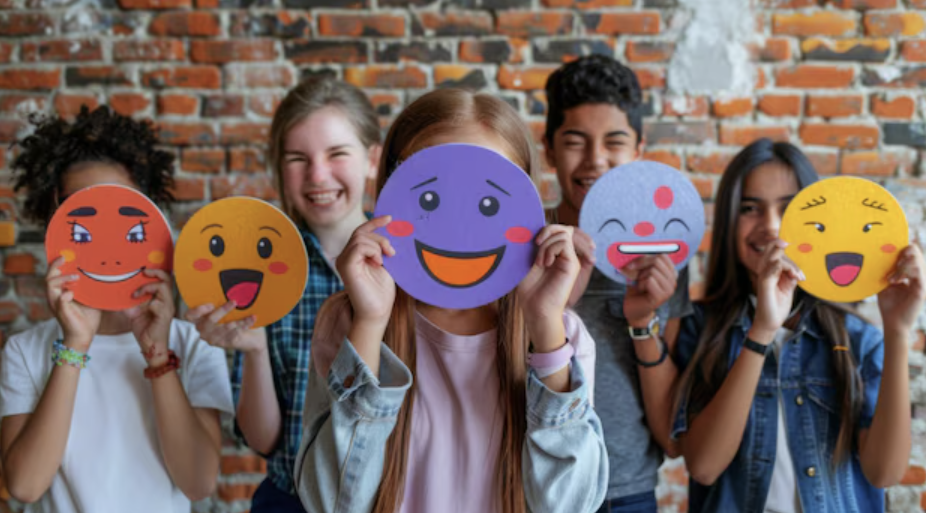
Emotions in Color
What is this project about?
This initiative connects your classroom with peers from another country through art, exploring emotions as a universal language. Students will develop emotional literacy by expressing feelings through diverse art forms and exchanging creations with international partners. This collaboration fosters empathy, cultural understanding, and communication skills, creating a safe space for meaningful connections beyond the classroom.
- Age group
- 6-8, 9-12, 13-15
- Project Duration
- 4 weeks
- Language
- English, Spanish, Danish
This project contributes to the following global goals
Learning Outcomes
- Help students identify and name their emotions.
- Introduce healthy ways to express feelings through various art forms.
- Develop basic communication skills through artistic exchange.
- Build empathy by understanding others' emotional experiences.
Evaluate
Skills to develop
Intercultural Communication
Critical Thinking & Problem-Solving
Global Awareness
Digital Literacy
Collaboration
Collaboration & Teamwork
Emotional Intelligence
Project Timeline
1
Week 1
Presentation
Phase:Presentation & Dissemination
Step 1: Preparation
- Introduce the project objectives to the students, ensuring they understand the goals and purpose.
- Introduce the concept of emotions and their impact on well-being.
- Display a visual chart or video with different emotions to help students develop a basic emotional vocabulary.
- Explain how art can be a powerful tool for expressing feelings and create a discussion space for students to share their ideas and experiences.
Step 2: Exploring emotions through art
- Design artistic activities that allow students to express and reflect on their emotions. For example:
- Assign each student a basic emotion (happiness, sadness, fear, surprise, etc.).
- Ask them to create an artwork representing the assigned emotion.
- Photograph each piece and share it on the project board in Class2Class.org.
- The partner class students try to identify the emotion in each artwork.
- Compare responses and analyze whether emotions are recognized similarly across different cultures.
- Discuss global similarities and differences in emotional interpretation.
b) Collaborative Art – "Our Global Tree of Feelings"
- Each class creates the trunk and branches of a tree on a large poster or digital mural.
- Students design colorful leaves, each representing an emotion.
- On each leaf, students write or draw a situation that evoked that emotion.
- Photograph and share the tree with the partner class.
- Both classes showcase their trees as a visual reminder of their emotional connection.
c) Video Exchange – "Emotion Charades"
- Prepare cards with age-appropriate emotions.
- Record short videos where students act out emotions without using words.
- Upload the videos to the project board on Class2Class.org.
- The partner class students try to guess which emotion is being expressed in each video.
- Discuss how emotional expressions can vary across cultures and body language.
- Create a simple guide on emotional expressions around the world.
- Gather photos or videos of the students' artworks.
- Post them on the platform board with a brief description of the represented emotion and its meaning.
- Reflect on how art helps express emotions and connect with other cultures.
Step 3: Reflection and Celebration
- Organize a live session where both classes can connect to discuss their experiences and share insights gained from the project.
- Have students share their artistic presentations.
- Include an interactive segment, such as a Q&A or brainstorming activity, to promote dialogue and mutual understanding.
- Guide students to reflect on what they have learned about emotions and art.
- Identify new ways to express their feelings together with your students.
- Conclude the session by recognizing student contributions.
Assessment and reflection ✍️
Assessment
- Focus on participation rather than perfection
- Look for increased emotional vocabulary in student discussions
- Notice improvements in students' willingness to express feelings
- Observe growing curiosity about the partner classroom's culture
Reflection Activities
- "Three things I learned" drawing or writing activity
- "My favorite part" circle sharing time
- Before and after emotional vocabulary check
- Simple feedback forms with emojis for younger students
Teacher tips 💡
- Foster a safe and inclusive learning environment that values diverse perspectives and experiences.
- Provide clear guidelines and expectations for respectful communication and collaboration. We suggest you review the coexistence policies of Class2Class.org.
- Facilitate the formation of diverse international teams, ensuring a mix of skills, backgrounds, and perspectives.
- Provide scaffolding and support throughout the research and action planning process, offering guidance and resources as needed.
- Encourage student agency and ownership of their learning, allowing them to drive the direction of their projects.
- Celebrate student achievements and facilitate meaningful reflection on their growth and the impact of their actions.
Through this project, your students will develop valuable social-emotional skills while experiencing the joy of building friendships across borders!