Digital Accessibility Champions: Building an Inclusive Digital World

What is this project about?

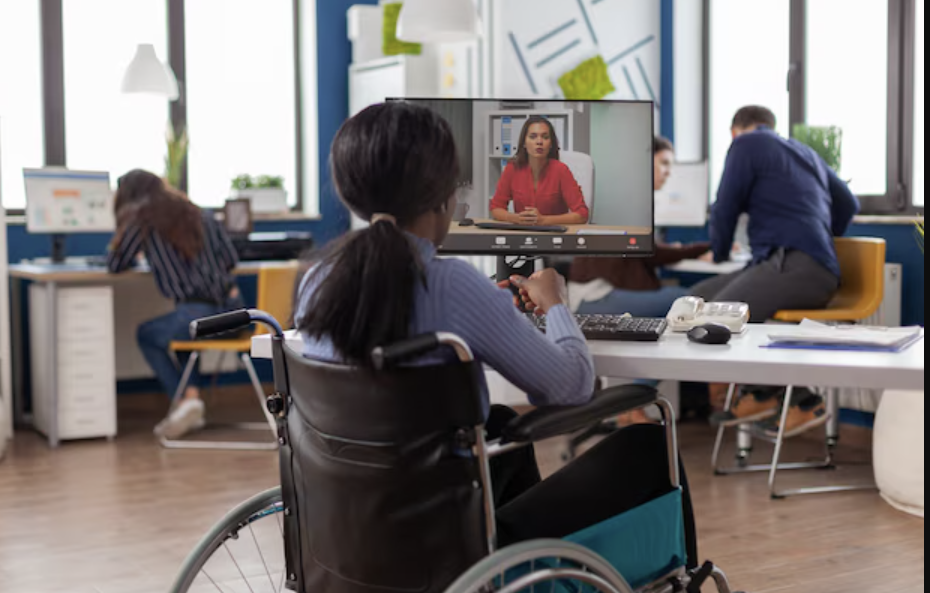
This project idea focuses on raising awareness about digital accessibility as a crucial aspect of reducing inequalities (SDG 10). Students will work with international partners to explore how technology can either promote or hinder inclusion, investigate local digital accessibility challenges, and create awareness campaigns to promote digital inclusion in their communities.

Age group
13-15, 16-18, 18+
Project Duration
4 weeks
Language
English, Spanish, Danish

This project contributes to the following global goals
Reduced Inequalities

Learning Outcomes

  1. Understand the connection between digital accessibility and SDG 10
  2. Identify digital barriers faced by people with disabilities
  3. Analyze digital inclusion practices across different cultures
  4. Enhance global citizenship through cross-cultural collaboration

Evaluate

Skills to develop

Intercultural Communication
Critical Thinking & Problem-Solving
Collaboration & Teamwork
Collaboration
Digital Literacy
Global Awareness

Project Timeline

1
Week 1

Presentation

Phase:Presentation & Dissemination

Step 1: Understanding Digital Accessibility

  • Introduce your students to SDG 10 and the concepts of digital accessibility.
  • Students discuss technology use, focusing the conversation on the needs of individuals with disabilities.
  • Share initial thoughts on the existing digital barriers, considering the issue at hand.
  • Complete the initial reflection on digital inclusion.
  • Form international teams with the partner class.

Step 2: Investigation and Research
  • Students conduct accessibility audits of school digital resources.
  • Interview community members about digital accessibility challenges.
  • Document local initiatives promoting digital inclusion.
  • Gather data on technology access in their communities.
  • Share research findings through platform's board, such as:
    • Compare digital accessibility challenges across countries
    • Identify common barriers and unique cultural perspectives
  • Create collaborative documentation of findings
  • Present research highlights to partner class, such as:
    • Analyze cultural differences in approaching digital inclusion
    • Identify best practices from different countries
  • Begin brainstorming awareness campaign ideas

Step 3: Awareness Campaign Development
Planing
  • International teams develop campaign concepts.
  • Choose target audiences and key messages.
  • Create campaign materials using accessible design principles.
  • Share drafts through the board section of the platform to receive feedback.
Collaboration
  • Peer review of campaign materials.
  • Adapt content for different cultural contexts.
  • Share the document on the development of the campaign in the board section of the platform.
Implementation
  • Launch coordinated social media awareness campaigns.
  • Share campaigns with school communities.
  • Collect feedback from target audiences.

Step 4: Reflection and impact 
  • Evaluate the reach and participation of the campaign.
  • Collect feedback from community members and share the information on the board section of the platform.
  • Organize a final virtual meeting to share and discuss lessons learned.
  • Celebrate the achievements of the collaboration.

Assessment and reflection ✍️


  • Assess understanding of digital accessibility and SDG 10 through participation in virtual exchanges, as well as the quality of content created for the campaign. 
  • Analyze effectiveness in communicating with international partners, contribution to teamwork and ability to adapt to diverse cultural perspectives. 
  • Encourage reflection on how these learnings can be applied to promote inclusion and equity in future projects.

Teacher tips 💡


  • Foster a safe and inclusive learning environment that values diverse perspectives and experiences.
  • Provide clear guidelines and expectations for respectful communication and collaboration. We suggest you review the coexistence policies of Class2Class.org.
  • Facilitate the formation of diverse international teams, ensuring a mix of skills, backgrounds, and perspectives.
  • Provide scaffolding and support throughout the research and action planning process, offering guidance and resources as needed.
  • Encourage student agency and ownership of their learning, allowing them to drive the direction of their projects. 
  • Celebrate student achievements and facilitate meaningful reflection on their growth and the impact of their actions.

Digital Accessibility Champions: Building an Inclusive Digital World - Class2Class | Class2Class