Different Abilities, Same Smiles: Celebrating our Unique Strengths

What is this project about?

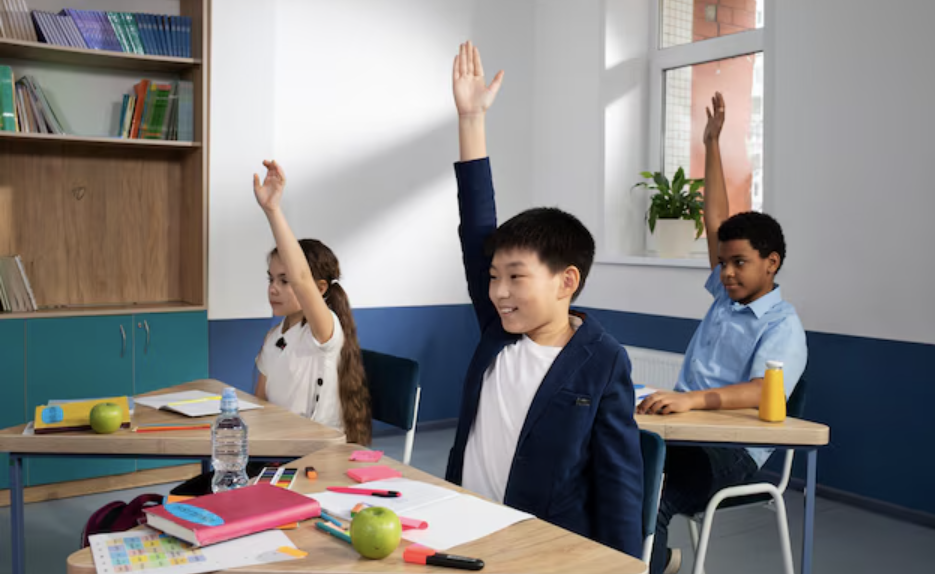
In this collaborative project, students connect internationally to explore and celebrate different abilities through art and storytelling. Together, they share personal experiences and create a digital celebration of diversity, learning about inclusion while building global friendships and understanding.

Age group
6-8, 9-12, 13-15
Project Duration
4 weeks
Language
English, Spanish, Danish

This project contributes to the following global goals
Reduced Inequalities

Learning Outcomes

  1. Develop understanding and empathy towards different abilities.
  2. Recognize and celebrate diverse strengths in ourselves and others.
  3. Learn about inclusion practices in different countries.
  4. Build cross-cultural communication skills.
  5. Create inclusive art and stories.
  6. Understand how supporting equality connects to SDG 10.

Evaluate

Skills to develop

Critical Thinking & Problem-Solving
Intercultural Communication
Global Awareness
Digital Literacy
Collaboration & Teamwork
Collaboration

Project Timeline

1
Week 1

Presentation

Phase:Presentation & Dissemination

Step 1: Understanding our differences

  • Introduce the concept of different abilities through age-appropriate discussions. Use resources like videos, readings, and other materials.
  • Encourage students to share stories about their strengths and personal challenges.
  • Help students create digital introduction cards with the theme "What Makes Me Special."
  • Guide students in crafting respectful and positive descriptions.
  • Exchange digital cards with the partner class using the platform’s board section.
  • Lead a discussion with students about the similarities and differences they discovered among their peers.

Step 2: Learning together
  • Help students create simple surveys about accessibility in their schools, focusing on identifying the needs and challenges faced by children with disabilities.
  • Share with the partner class the results through images and simple presentations in the board section of the platform. 
  • Guide students in respectful discussions about the survey results.
  • From the information gathered, encourage students to draw or paint on the theme “A World Where Everyone Belongs”.
  • Exchange artwork through the board section of the platform.

Step 3: Creating a Digital "Friendship Book”
  • Guide your students in creating a collaborative online book where each class can add positive messages about the importance of inclusion.
  • Ensure that students share their reflections on the value of diversity, contributing illustrations, quotes, or personal anecdotes.
  • Schedule a session where connected classes can present their contributions to the book and discuss their learnings.
  • Encourage students to express their ideas and ask about their peers' experiences to enrich the conversation.

Assessment and reflection ✍️


  • Observe and assess whether students demonstrate a strong understanding of inclusion and diversity through their written and oral reflections. Use rubrics to evaluate the depth and clarity of their ideas.
  • Analyze how they collaborate in creating stories and artistic projects with their international peers. Then, evaluate the quality of cultural exchange and their willingness to engage in respectful dialogue.
  • Assess the creativity and content of their artistic creations, as well as their ability to articulate in their own words the importance of inclusion in their posts and presentations.

Teacher tips 💡


  • Foster a safe and inclusive learning environment that values diverse perspectives and experiences.
  • Provide clear guidelines and expectations for respectful communication and collaboration. We suggest you review the coexistence policies of Class2Class.org.
  • Facilitate the formation of diverse international teams, ensuring a mix of skills, backgrounds, and perspectives.
  • Provide scaffolding and support throughout the research and action planning process, offering guidance and resources as needed.
  • Encourage student agency and ownership of their learning, allowing them to drive the direction of their projects. 
  • Celebrate student achievements and facilitate meaningful reflection on their growth and the impact of their actions.