
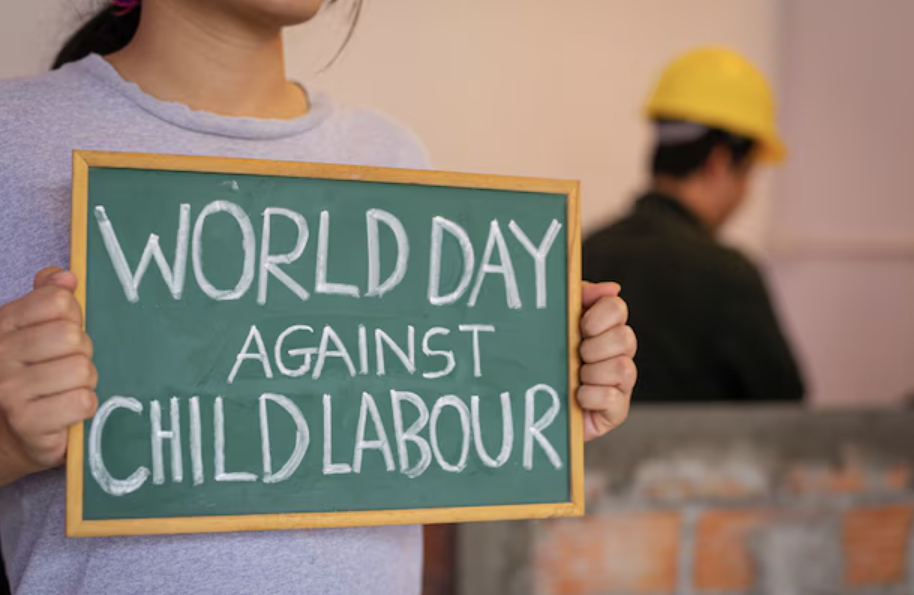
Crafting Compassion: Weaving Hope for Children's Rights
What is this project about?
"Crafting Compassion" is an innovative project that engages students aged 6-13 in a creative journey to raise awareness about child labor and promote children's rights. Through collaborative arts and crafts activities, students will explore the importance of education, play, and childhood dreams, while developing empathy and global citizenship.
- Age group
- 6-8, 9-12, 13-15
- Project Duration
- 4 weeks
- Language
- English, Spanish, Danish
This project contributes to the following global goals
Learning Outcomes
- Understand child labor and its impact on children's well-being.
- Develop empathy and responsibility towards protecting children's rights.
- Enhance collaboration, communication, and creative expression.
- Foster global awareness and interconnectedness with children worldwide.
Evaluate
Skills to develop
Intercultural Communication
Critical Thinking & Problem-Solving
Global Awareness
Digital Literacy
Collaboration & Teamwork
Collaboration
Project Timeline
1
Week 1
Presentation
Phase:Presentation & Dissemination
Step 1: Introduce “The tapestry of hope”
- Discuss child labor and children's rights through storytelling and age-appropriate resources.
- Present the project as a mission to create a global "Tapestry of hope" aimed at raising awareness about child labor and promoting children's rights.
Step 2: Form weaving teams
- Form teams of your students with their international partners.
- Facilitate during your students' presentations with their peers
Step 3: Threads of compassion
- Provide resources on child labor and children's rights.
- Encourage teams to share thoughts and ideas about children's needs.
- Facilitate arts and crafts activities to create individual "threads of compassion". For example: Collages, drawings, stories, etc. These individual works will form part of the “Tapestry of hope” that each team is building.
Step 4: Weaving the tapestry
- Challenge the teams to collaborate in creating more artistic activities to continue building the "Tapestry of Hope."
- Provide age-appropriate recyclable materials for them to construct their artistic products.
- Encourage each team to assemble a digital portfolio with photos of their artistic and craft products.
Step 5: Stitching the story
- Guide the teams to write a brief presentation of their digital portfolio to showcase “the tapestry of hope”.
- Assist students in enhancing their presentations.
Step 6: Unveiling the tapestry of hope
- Celebrate the completion of the global "Tapestry of hope" virtually.
- Encourage students to share reflections and commitments to children's rights.
- Display the virtual tapestry and stories in a shared online space.
Assessment and reflection ✍️
- Assessment of the quality of individual contributions and the collective section of the tapestry.
- Assessments of collaboration and student progress in building their digital portfolio.
- Reflective activities such as art journals, discussions, and self-assessments
Teacher tips 💡
- Create a nurturing and inclusive learning environment.
- Provide clear rules, guidelines, and expectations for each competition and collaborative activity. We suggest you review the coexistence policies of Class2Class.org.
- Adapt activities to suit the age, abilities, and interests of your students.
- Foster global connection and empathy through active listening and appreciation.
- Celebrate the process of creation and collaboration.
By participating in "Crafting Compassion," your students will embark on a meaningful journey that raises awareness about child labor and promotes children's rights. As a teacher, you have the opportunity to guide your students in weaving a tapestry of hope, compassion, and change.