
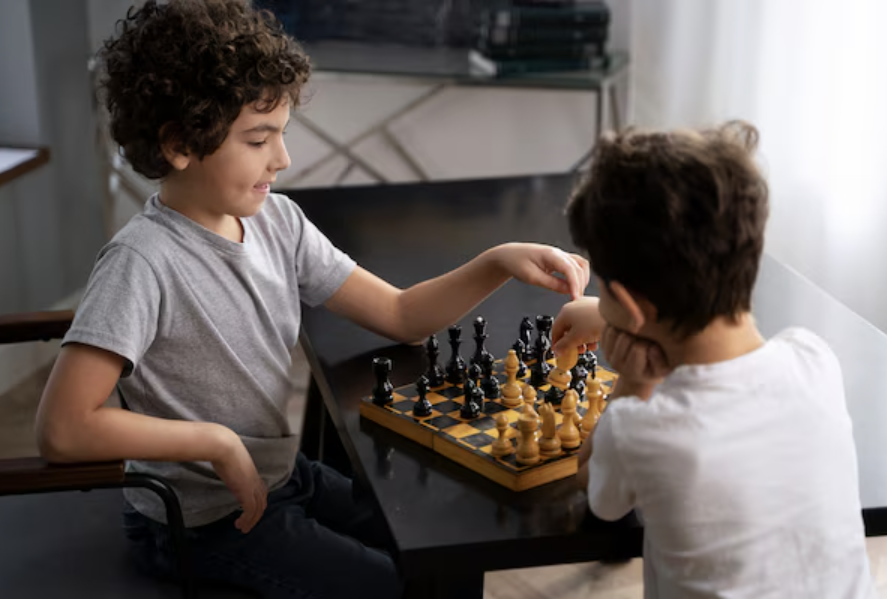
Chess for Friendship: Celebrating World Chess Day

What is this project about?

"Chess for Friendship" is an engaging project designed for youth aged 6 to 13, celebrating World Chess Day by introducing them to the game of chess and facilitating international connections through collaborative activities. This project aims to promote critical thinking, global friendships, and peaceful competition, in line with the goal of Sustainable Development Goal (SDG) number 4 for inclusive and equitable quality education, and SDG#16 for the promotion of peaceful and inclusive societies.

Age group
6-8, 9-12, 13-15
Project Duration
4 weeks
Language
English, Spanish, Danish

This project contributes to the following global goals
Peace and Justice Strong Institutions

Learning Outcomes

  1. Understanding the fundamentals of chess, including rules, piece movements, and simple strategies.
  2. Foster international friendships and cultural understanding through shared activities and discussions.
  3. Promote the spirit of sportsmanship, respect, and fair play in friendly chess matches.

Evaluate

Skills to develop

Intercultural Communication
Critical Thinking & Problem-Solving
Global Awareness
Digital Literacy
Collaboration & Teamwork
Critical Thinking & Problem-Solving

Project Timeline

1
Week 1

Presentation

Phase:Presentation & Dissemination

Step1: Introduction to World Chess Day and Chess Basics

  • Teachers introduce the significance of World Chess Day and the basics of chess.
  • Students learn how to set up the board, move the pieces, and basic rules of the game.

Step 2: Chess Practice and Cultural Exchange
  • Students practice playing chess with classmates and learn about the cultural history of chess in different countries. They prepare to share their learning with international peers.
  • Utilize kid-friendly online chess platforms like ChessKid.com for practice and matches.

Step 3: Friendly International Matches and Collaborative Activities
  • Host friendly online chess matches with international partner schools using Class2Class.org.
  • Students engage in collaborative projects, such as crafting a digital handbook detailing basic strategies for playing chess or establishing a global chess chat. Here, they can share experiences, pose chess-related inquiries, and glean insights from peers across the globe.

Step 4: Reflection and Celebration
  • Students reflect on their experiences, and what they’ve learned about chess and international friendships, and create a presentation or video showcasing their journey. Share the final projects with all participating schools in a virtual celebration.

Assessment and reflection ✍️


  • Students maintain a journal to record their chess games, strategies learned, and reflections on their interactions with international peers.
  • After matches and collaborative activities, students give feedback on each other’s sportsmanship, creativity, and collaborative spirit.

Teacher tips 💡


  • Provide additional support for students who are new to chess, ensuring they understand the basics and feel confident to participate.
  • Facilitate inclusive and respectful interactions during matches and collaborative activities, promoting a positive and encouraging learning environment.
  • Provide clear guidelines and expectations for respectful communication and collaboration. We suggest you review the coexistence policies of Class2Class.org.
  • Coordinate with international partner teachers to align schedules and activities, ensuring a smooth and enjoyable experience for all students.

"Chess for Friendship" offers a delightful and educational way for young students to celebrate World Chess Day. Through learning and playing chess, students will not only develop critical thinking and problem-solving skills but also build meaningful international friendships and learn the values of peace and fair play. This project will help create a globally connected, culturally aware, and strategically thinking generation.