
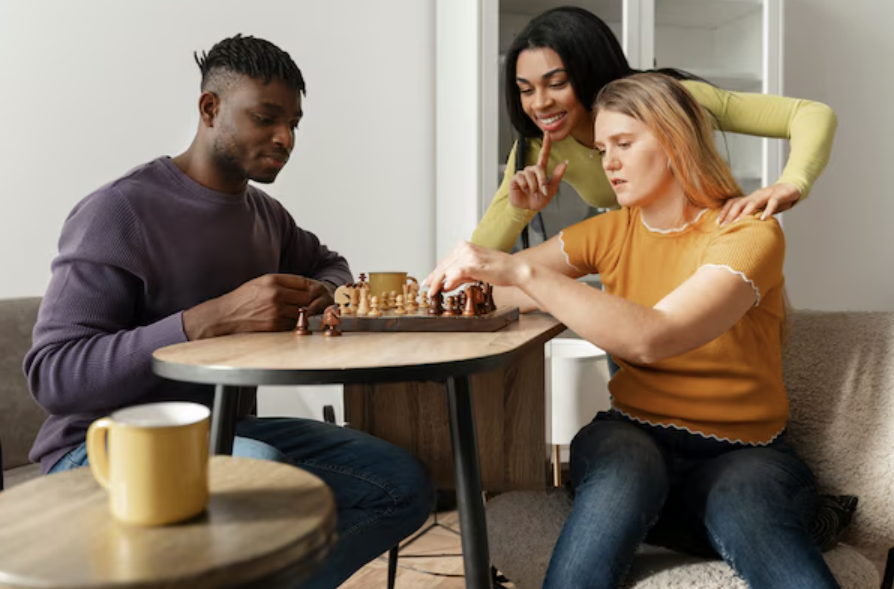
Checkmate for Peace: Celebrating World Chess Day

What is this project about?

"Checkmate for Peace" is a collaborative project designed for students aged 13 to 19, celebrating World Chess Day by engaging them in international chess tournaments and peace-building activities. This project leverages the strategic and educational aspects of chess to promote critical thinking, peaceful competition, and global connections, aligning with SDG #4’s aim for inclusive and equitable quality education and SDG #16’s promotion of peaceful and inclusive societies.

Age group
13-15, 16-18, 18+
Project Duration
4 weeks
Language
English, Spanish, Danish

This project contributes to the following global goals
Peace and Justice Strong Institutions

Learning Outcomes

  1. Enhance critical thinking and problem-solving skills through the game of chess.
  2. Promote cultural understanding and global connections through international chess matches.
  3. Foster sportsmanship and the spirit of peaceful competition, emphasizing respect and fairness.

Evaluate

Skills to develop

Intercultural Communication
Critical Thinking & Problem-Solving
Global Awareness
Digital Literacy
Collaboration & Teamwork
Collaboration

Project Timeline

1
Week 1

Presentation

Phase:Presentation & Dissemination

Step1: Introduction to World Chess Day and Chess Basics

  • Introduce the significance of World Chess Day and the educational benefits of chess.
  • Provide resources for learning or refreshing chess basics.

Step 2: Cultural Exchange and Chess Preparation
  • Students research the history and cultural significance of chess in different countries.
  • They begin preparing for international matches by practicing and learning new strategies.
  • Use platforms like Chess.com or Lichess.org for organizing and playing chess matches.

Step 3: International Chess Matches and Collaborative Activities
  • Host a series of online chess matches with international partner schools using Class2Class.org.
  • Students also engage in discussions and activities that link chess strategies to peace-building principles.

Step 4: Reflection and Showcase
  • In a video call, students share their learning and reflect on their experiences of strategy, sportsmanship, and cultural exchange.
  •  They create a presentation or video summarizing their learning journey and outcomes, which is shared with all participating schools.

Assessment and reflection ✍️


  • After each match, students review their games, discussing the strategies used and the lessons learned.
  • Students write in journals where they reflect on their learning from each match.
  • Students comment on each other's play, focusing on sportsmanship and strategic thinking

Teacher tips 💡


  • Facilitate inclusive participation, ensuring all students, regardless of skill level, can engage meaningfully in chess matches and discussions.
  • Provide additional support and resources for students who are new to chess, fostering a positive and encouraging learning environment.
  • Provide clear guidelines and expectations for respectful communication and collaboration. We suggest you review the coexistence policies of Class2Class.org.
  • Monitor online interactions to maintain respectful and constructive communication between students from different cultural backgrounds.

"Checkmate for Peace" offers a unique opportunity for students to engage in the educational and strategic aspects of chess while promoting global understanding and peaceful competition. By participating in this project, students will not only enhance their critical thinking and problem-solving skills but also build lasting international connections and appreciate the cultural significance of chess.