
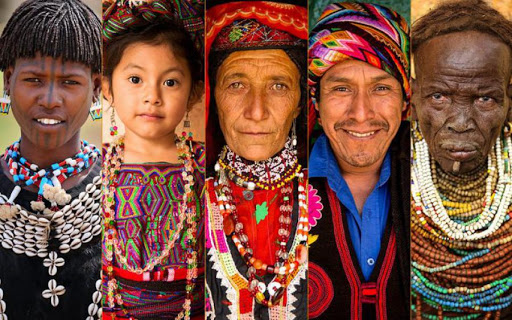
Celebrating Our Roots: A Journey into the World of Indigenous Cultures
What is this project about?
Celebrating Our Roots is an engaging project for students aged 6-13, designed to foster appreciation and understanding of diverse indigenous cultures. Through fun, educational activities and collaborative learning experiences, students will explore the rich traditions, stories, and wisdom of indigenous peoples worldwide. Partnering with peers from different countries, students will develop empathy, cultural awareness, and a sense of global connection.
- Age group
- 6-8, 9-12, 13-15
- Project Duration
- 4 weeks
- Language
- English, Spanish, Danish
This project contributes to the following global goals
Learning Outcomes
- Develop an understanding and appreciation of the diverse cultures, traditions, and ways of life of indigenous peoples worldwide.
- Engage in collaborative learning activities to explore indigenous stories, art, music, and traditional knowledge.
- Enhance cultural awareness, empathy, and respect for diversity through meaningful interactions with international peers.
- Develop creativity, communication, and digital literacy skills through the creation and sharing of cultural projects.
- Foster a sense of global citizenship and interconnectedness by celebrating the common threads that unite indigenous cultures.
Evaluate
Skills to develop
Intercultural Communication
Critical Thinking & Problem-Solving
Global Awareness
Digital Literacy
Collaboration & Teamwork
Adaptability & Leadership
Collaboration
Project Timeline
1
Week 1
Presentation
Phase:Presentation & Dissemination
Step 1: Introduce the celebrating “Our Roots Project”
- Engage students in interactive storytelling sessions and discussions about the importance of indigenous cultures and their contributions to our world.
- Use age-appropriate videos, picture books, and online resources to introduce students to the diversity of indigenous peoples and their unique traditions.
- Explain the project goals and the exciting opportunity to connect with students from other countries to learn and celebrate together.
Step 2: Indigenous Culture Discovery
- Assign each student a specific indigenous culture to explore based on their interests and the partner class's location.
- Provide a list of age-appropriate resources, such as virtual museum tours, short documentaries, and interactive websites, for students to learn about their assigned culture.
- Encourage students to keep a "Cultural Discovery Journal" to record interesting facts, drawings, and reflections on their learning journey.
Step 3: Cultural Exchange Partnerships
- Connect with partner classes from different countries through the Class2Class.org platform.
- Pair students with international peers to share what they have explored about their assigned indigenous culture.
- Guide students in introducing themselves to their partners and sharing their cultural discoveries through creative means, such as artwork, short videos, or audio recordings.
- Encourage students to ask questions, share stories, and engage in friendly discussions with their partners to deepen their understanding and appreciation of each other's cultures.
Step 4: Collaborative Storytelling Projects
- Challenge students to create a collaborative storytelling project that celebrates the indigenous culture they have explored together. Offer several age-appropriate project options, such as picture storybooks, puppet shows, or animated videos, to suit different interests and abilities. Guide students in planning, creating, and refining their projects, emphasizing the importance of respectful representation and cultural sensitivity. Organize virtual sessions so they can share their projects with the class and their international partners.
Step5: Indigenous Wisdom Celebration
- Conclude the project with a virtual celebration of indigenous wisdom and global unity.
- Invite students to share their key learnings, favorite stories, and reflections on the importance of preserving and respecting indigenous cultures.
- Encourage students to express their appreciation for their international partners and the friendships formed through the project.
- Showcase the collaborative storytelling projects and cultural discoveries made throughout the students' learning journey in the "board" section of the project you have organized on the Class2Class.org platform.
Assessment and reflection ✍️
- Assessments through the observation of students' engagement, cultural sensitivity, and collaboration during peer exchanges and project creation.
- Assessments of the quality, creativity, and cultural sensitivity of the collaborative storytelling projects.
- Reflective activities such as cultural discovery journals, partner thank-you notes, and class discussions to capture personal growth and intercultural learning.
Teacher tips 💡
- Create a safe and inclusive learning environment that celebrates diversity and encourages respectful curiosity.
- Provide age-appropriate resources and guidance to support students' cultural explorations and project creation.
- Provide clear guidelines and expectations for respectful communication and collaboration. We suggest you review the coexistence policies of Class2Class.org.
- Foster a sense of global connection and empathy by highlighting the common threads that unite indigenous cultures, such as respect for nature, storytelling traditions, and community values.
- Celebrate the process of learning and collaboration, emphasizing the importance of open-mindedness, active listening, and appreciating different perspectives.