Board Game Stories

What is this project about?

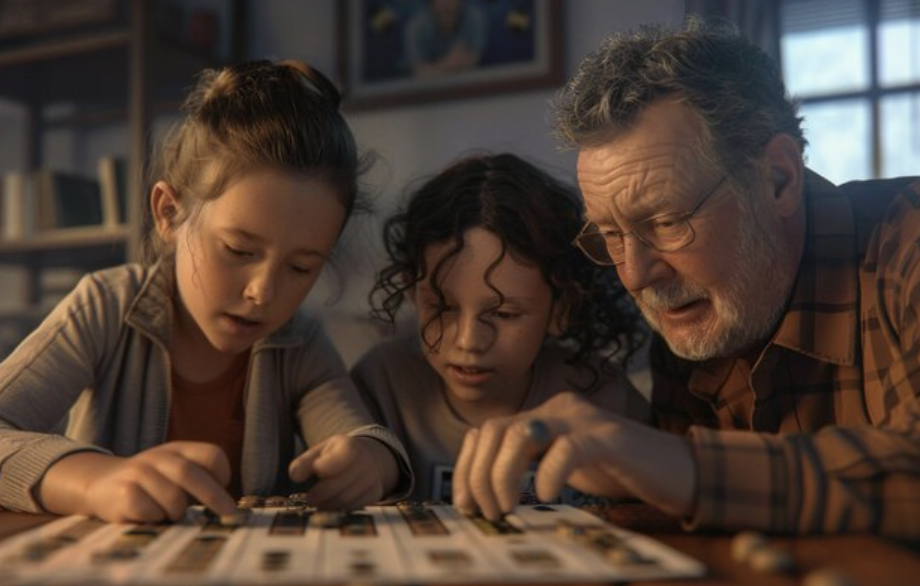
This project invites students to explore and share traditional and modern board games from their countries, discovering how these games are part of family traditions and reflect unique aspects of their cultures. Through virtual exchanges, students will share stories about their experiences playing with their families, learn about games from other countries, and discover the similarities and differences in the gaming traditions of various cultures.

Age group
6-8, 9-12, 13-15
Project Duration
4 weeks
Language
English, Spanish, Danish

Learning Outcomes

  1. Develop cultural awareness by exploring board game traditions in different countries.
  2. Improve communication skills by sharing personal stories with international peers.
  3. Strengthen family bonds by researching gaming traditions at home.
  4. Practice presentation skills in a multicultural context.
  5. Foster appreciation for diverse family traditions around the world.

Evaluate

Skills to develop

Intercultural Communication
Collaboration
Digital Literacy
Collaboration & Teamwork

Project Timeline

1
Week 1

Presentation

Phase:Presentation & Dissemination

Step 1: Board game exploration

  • Teachers introduce the project by explaining its purpose and guiding students to explore their cultural heritage. 
  • Each student identifies and selects one of their favorite family board games.
  • They research its origin and how it is played.
  • Students talk to family members about their experiences with the game.
  • They explore traditions related to the game and special family moments.
  • They create a short presentation documenting the collected information, including:
    1. Basic rules of the game.
    2. Anecdotes or reflections on the importance of the game in their home.
    3. Photos or illustrations of shared family moments playing the game.
  • Students post their presentations on the board of the Class2Class.org platform.
  • Interaction is encouraged through questions and comments about the presented games.

Step 2: Game Celebration
  • Each class selects a board game that represents their culture or community.
  • They share the rules and instructions in the board section of the Class2Class.org platform.
  • Students learn to play the game shared by their partner class. They can play in small groups or adapt it for the whole class.
  • Each student or team reflects on the experience by answering questions such as:
    1. What did we learn about our partners' culture through the game?
    2. What surprised or caught our attention?
    3. How was the experience of playing a new game?
  • They post their reflections on the board of the platform to exchange ideas with the partner class.

Step 3: Virtual Exchange
  • Coordinate with the partner class to set a date for the virtual meeting.
  • Establish a session plan to ensure balanced participation from all students.
  • Moderate a discussion where students share:
    1. Similarities and differences they identified in the games explored.
    2. How the games reflect cultural and family aspects.
    3. What aspects surprised them or they found most interesting.
  • Invite students to share how this experience helped them get to know their international peers better.
  • Record key ideas on the board of the platform to continue the conversation after the meeting.

Assessment and reflection ✍️


  • Evaluate student participation in research and presentation.
  • Assess quality of digital content creation.
  • Observer student interaction during virtual exchanges.
  • Written reflections on personal growth and learning.

Teacher tips 💡


  • Foster a safe and inclusive learning environment that values diverse perspectives and experiences.
  • Provide clear guidelines and expectations for respectful communication and collaboration. We suggest you review the coexistence policies of Class2Class.org.
  • Facilitate the formation of diverse international teams, ensuring a mix of skills, backgrounds, and perspectives.
  • Provide scaffolding and support throughout the research and action planning process, offering guidance and resources as needed.
  • Encourage student agency and ownership of their learning, allowing them to drive the direction of their projects. 
  • Celebrate student achievements and facilitate meaningful reflection on their growth and the impact of their actions.

This project allows your students to build meaningful international connections while exploring the universal language of play. Through the Class2Class.org platform, they will develop essential communication skills and cultural awareness while having fun discovering new games and traditions.

Board Game Stories - Class2Class | Class2Class