Artistic Expressions for Peace

What is this project about?

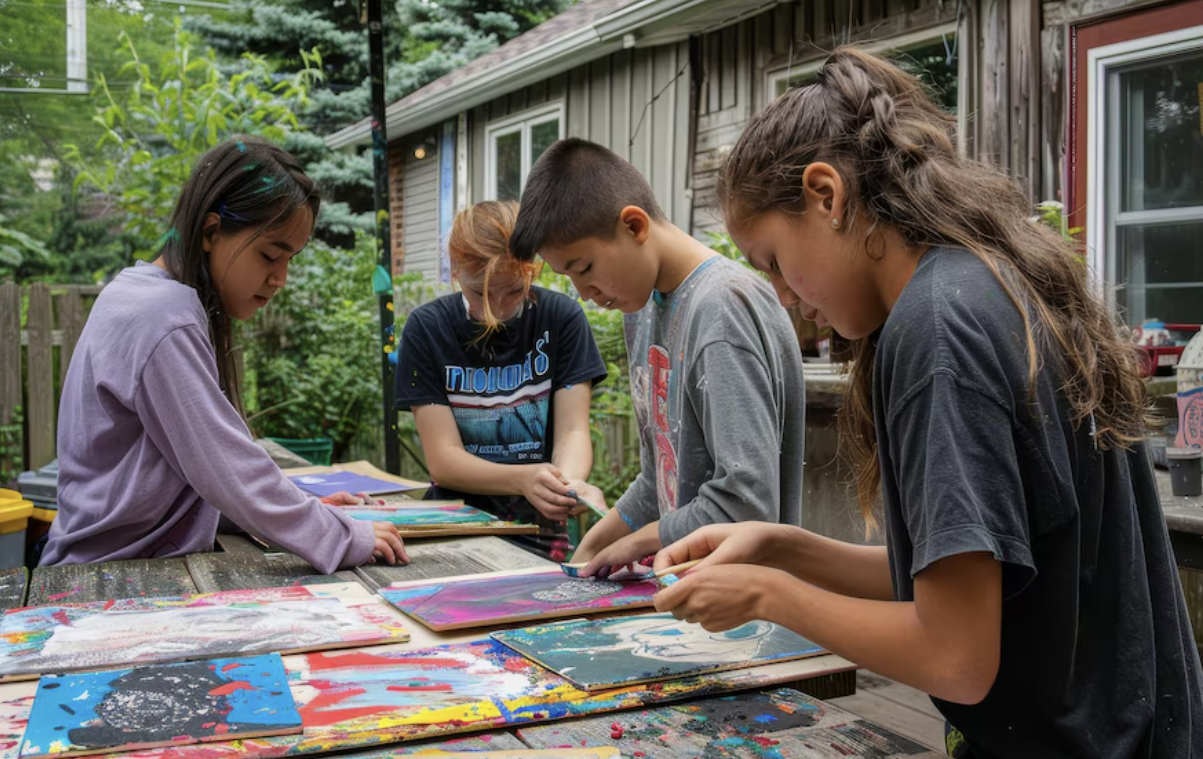
This project encourages students to explore and express concepts of peace, coexistence, and community through artistic means, aligning directly with the goal of SDG 16 to promote peaceful and inclusive societies.

Age group
13-15, 16-18, 18+
Project Duration
4 weeks
Language
English, Spanish, Danish

This project contributes to the following global goals
Peace and Justice Strong Institutions

Learning Outcomes

  1. Explore different perspectives on peace and coexistence, learning to appreciate diverse points of view.
  2. Develop skills in various artistic mediums to express concepts and emotions related to peace.
  3. Enhance teamwork and communication skills through international collaboration on art projects.

Evaluate

Skills to develop

Intercultural Communication
Critical Thinking & Problem-Solving
Global Awareness
Digital Literacy
Collaboration

Project Timeline

1
Week 1

Presentation

Phase:Presentation & Dissemination

Step 1: Project introduction

  • Introduce the significance of the International Day of Living Together in Peace and discuss what peace means in different cultural contexts.
  • Students exchange ideas about what types of artistic expressions they would like to use to symbolize peace.

Step 2: Artistic Workshops and peer collaboration
  • Students participate in virtual artistic workshops (e.g., painting, digital art, music) to develop their projects.
  • Students share their initial idea for their artistic project with international partners and receive feedback.

Step 3: Collaborative art creation 
  • Students finalize their art projects, incorporating elements from their discussions with international peers to reflect a combined vision of peace.

Step 4: Virtual art exhibition and reflection
  • Organize a virtual exhibition of the collaborative art projects in the board section of the Class2Class.org platform. Include a reflection session where students discuss what they have learned about peace and collaboration.

Collaborative activities
  • Virtual art workshops. Organize live art workshops led by artists or teachers, focusing on the various types of artistic expressions that your students discussed to express themes of peace.
  • Intercultural art collaboration. Students come together with peers from different countries to co-create artworks, share ideas, and blend artistic styles.

Assessment and reflection ✍️


  • Artistic portfolio. Students compile a portfolio of their work and the collaborative process, detailing their artistic decisions and cultural exchanges.
  • Peer and teacher feedback. Implement a structured feedback session during the exhibition, allowing students to critique and learn from each other’s artistic expressions.

Teacher tips 💡


  • Encourage creativity and personal expression, allowing students to choose the art forms with which they feel most comfortable.
  • Facilitate respectful and constructive feedback during collaborative sessions to ensure a positive and supportive environment.
  • Provide clear guidelines and expectations for respectful communication and collaboration. We suggest you review the coexistence policies of Class2Class.org.
  • Continuously engage with international partner teachers to coordinate activities and maintain alignment between student groups.

Through "Artistic Expressions for Peace," students will not only enhance their artistic skills but also deepen their understanding of what it means to live together in peace. This project enables young people to creatively express their hopes and ideas for peaceful coexistence, fostering a globally connected and culturally aware generation.