
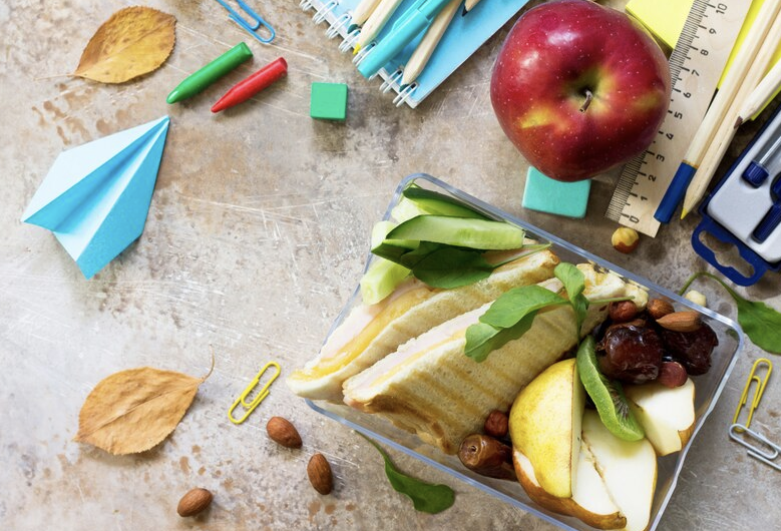
Around the World in School Lunches

What is this project about?

Students explore and share their school lunch traditions, discovering cultural diversity through food while developing awareness about nutrition and sustainable eating habits globally.

Age group
6-8, 9-12, 13-15
Project Duration
4 weeks
Language
English, Spanish, Danish

Learning Outcomes

  1. Understand diverse food cultures and traditions through school lunches.
  2. Develop appreciation for cultural differences in eating habits.
  3. Practice digital communication skills.
  4. Enhance cross-cultural understanding.
  5. Build vocabulary related to food and meals.

Evaluate

Skills to develop

Intercultural Communication
Critical Thinking & Problem-Solving
Global Awareness
Digital Literacy
Collaboration & Teamwork
Collaboration

Project Timeline

1
Week 1

Presentation

Phase:Presentation & Dissemination

Step 1: Introduction and Preparation

  • Explain the project's objectives to the students and how they will connect with international peers.
  • Take photos or create drawings of typical school lunches.
  • Document 3 to 5 different lunches.
  • Write a brief description of the components of each selected meal (main ingredients or features).
  • Upload the images and descriptions to the board section to share them with international peers.

Step 2: Share and Compare
  • Divide students into teams to create a presentation about the five most representative dishes from their school lunches.
  • Schedule a virtual session with the partner class for students to share their presentations.
  • Help students develop guiding questions about favorite school meals, meal times, portions, and eating customs and traditions.
  • Monitor and support conversations during the video call to ensure an enriching and engaging dialogue.

Step 3: Sharing the Final Results
  • Summarize what students learned about their peers' cultures through school lunches.
  • Discuss the most surprising or unexpected findings.
  • Reflect as a group on the experience, highlighting how this exchange enriched their perspective on food and cultural traditions.

Assessment and reflection ✍️


  • Evaluate student participation in research and presentation. Some criterias:
    • Complete submission of 3-5 lunch photos/drawings
    • Quality of meal descriptions
    • Timely uploads to platform board
    • Clear presentation of cultural context
  • Monitor engagement in cross-cultural discussions. Some criterias:
    • Active involvement in video calls / discussion 
    • Quality of questions asked
    • Respectful cultural exchange
    • Group contribution
  • Assess quality of digital content creation.
  • Written reflections on personal growth and learning. Some criterias:
    • Understanding of cultural differences
    • Personal growth insights
    • Connection to global perspectives

Teacher tips 💡


  • Foster a safe and inclusive learning environment that values diverse perspectives and experiences.
  • Provide clear guidelines and expectations for respectful communication and collaboration. We suggest you review the coexistence policies of Class2Class.org.
  • Facilitate the formation of diverse international teams, ensuring a mix of skills, backgrounds, and perspectives.
  • Provide scaffolding and support throughout the research and action planning process, offering guidance and resources as needed.
  • Encourage student agency and ownership of their learning, allowing them to drive the direction of their projects. 
  • Celebrate student achievements and facilitate meaningful reflection on their growth and the impact of their actions.

Ready to expand your students' horizons through the universal language of food? Sign up on Class2Class.org to find a partner class and begin this enriching cultural exchange that makes learning delicious and meaningful.