AquaLab: From Data to Action
What is this project about?
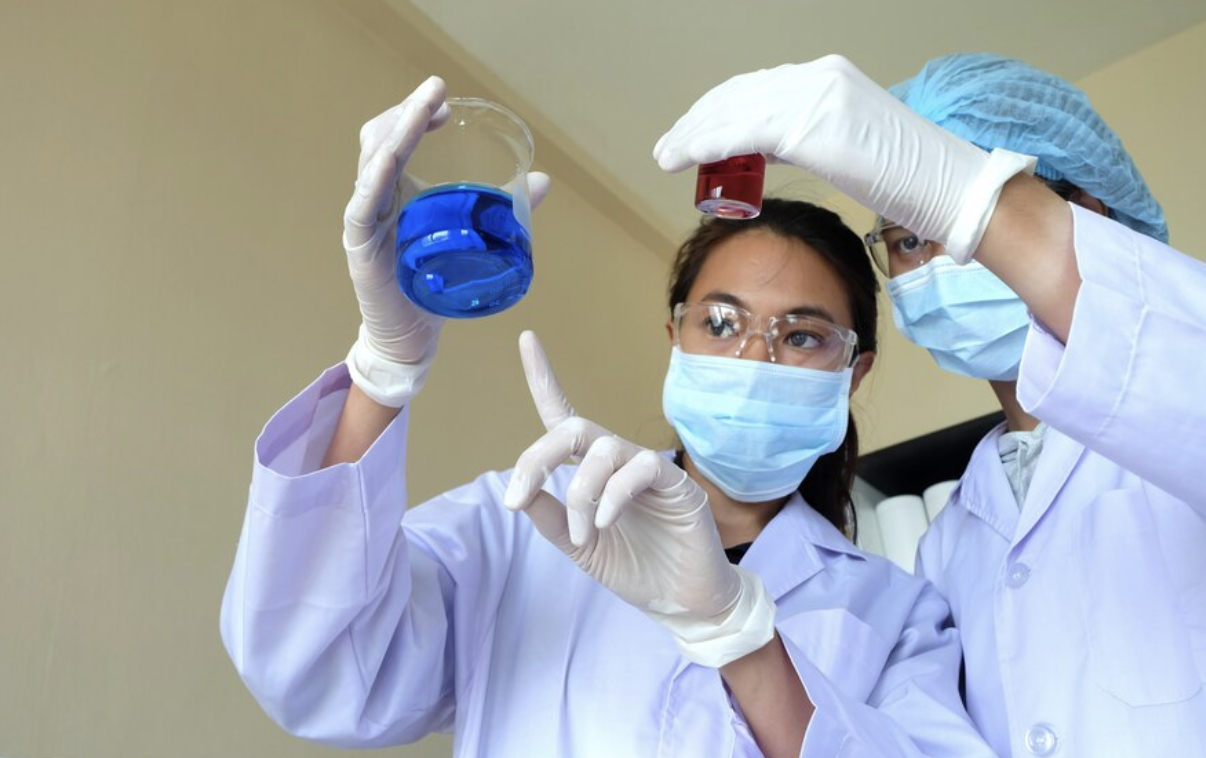
Students become water quality researchers and solution developers, using scientific methods and technology to analyze water quality in their communities. Through international collaboration, they'll create innovative water monitoring systems and awareness campaigns based on real data.
- Age group
- 13-15, 16-18, 18+
- Project Duration
- 4 weeks
- Language
- English, Spanish, Danish
This project contributes to the following global goals
Learning Outcomes
- Develop scientific research and data analysis skills.
- Create technology-based solutions for water monitoring.
- Enhance cross-cultural understanding of water quality issues.
- Strengthen digital literacy through data visualization.
- Build project management and teamwork skills.
Evaluate
Skills to develop
Intercultural Communication
Critical Thinking & Problem-Solving
Global Awareness
Digital Literacy
Collaboration & Teamwork
Adaptability & Leadership
Critical Thinking & Problem-Solving
Collaboration
Emotional Intelligence
Project Timeline
1
Week 1
Presentation
Phase:Presentation & Dissemination
Step 1: Empathize
- Explain the project objectives to the students.
- Organize groups of 4 or 5 students to work collaboratively.
- Assign students different water sources to analyze, such as the school tap, home faucet, park fountains, or other public water sources.
- Teach students accessible methods to assess water quality:
i. Materials:
- A glass of water
- A sheet of paper with lines or a coin
- Fill a transparent glass with the water sample.
- Place the paper with lines or the coin under the glass.
- Observe how clearly you can see through the water.
- The blurrier the lines or coins appear, the higher the turbidity, which may indicate sediment or contaminants.
i. Materials:
- Red cabbage leaves
- Hot water
- Small containers
- Vinegar (acidic), baking soda (basic)
- Boil some water and add chopped red cabbage leaves. Let it sit for 10 minutes until the water turns dark purple.
- Strain the liquid into a clean glass (this will serve as the pH indicator).
- Add a small amount of the water sample into a container and mix it with the cabbage liquid.
- Observe the color change:
- Red/Pink → Acidic water
- Purple → Neutral water
- Blue/Green → Alkaline water
i. Materials:
- Water sample
- Cooking oil
- Liquid soap
- Add a few drops of oil to the water and observe if it mixes or floats. If the oil remains separate, it may indicate contamination with fats or oils.
- Then, add a drop of soap and mix.
- If the soap does not dissolve well, the water may contain high levels of minerals (hard water).
- Students create a simple presentation including:
- Test results
- Photos of the collection and analysis process
- Observations and reflections
- Discuss similarities and differences in water quality between both communities.
Step 2: Define
- Students will review and analyze the data shared on the platform’s board regarding water quality. Guide them in identifying specific challenges related to water in both communities.
- Support them in:
- Recognizing issues within their own community.
- Identifying common challenges across different contexts.
- Selecting a specific water quality issue to address.
- Students will then explore the chosen challenge in depth and publish their findings on the platform, encouraging collaborative brainstorming with their partner classes.
Step 3: Ideate
- Facilitate a creative session where students propose potential solutions to the identified problem.
- Guide the teams to evaluate the ideas and choose the most suitable solution based on the problem and available resources.
- Use the platform’s board to share the selected idea through drawings, descriptions, or diagrams of the ideal solution.
- Invite the partner class to review the proposals, provide feedback, or ask questions that encourage reflection and improvements.
Step 4: Prototype
- Support students in developing a prototype for their solution, which could take the form of a drawing, a digital design, or a mock-up.
- Encourage the use of recyclable materials to construct prototypes, fostering sustainability in the process.
- Suggested prototype ideas include:
- Innovative tools or devices.
- Creative educational models.
- Sustainable design concepts tailored to address the identified problem.
- Some examples:
- Eco-Filter System. Design a multi-layer water filter using plastic bottles, gravel, sand, activated charcoal, and cotton. Students document filtration effectiveness through before/after photos and water clarity tests, sharing results via platform video calls.
- Water Quality Testing Kit. Build a portable kit with natural indicators (cabbage juice), turbidity measuring tools (transparency disk), and temperature strips. Include data collection sheets and instruction manuals in partner languages.
- Conservation Timer: Build a water usage timer for daily activities using recycled materials. Include visual guides and tracking sheets to monitor savings, sharing impact data through platform collaboration tools.
Step 5: Test and Preparation
- Guide students in refining their prototype, ensuring it clearly reflects the solution to the identified problem.
- Support students in preparing a simple PowerPoint (PPT) presentation to explain their proposed solution.
- Structure of the presentation:
- Introduction: Briefly summarize the problem being addressed.
- Solution: Explain how the proposal works and how it tackles the problem.
- Conclusion: Highlight the conclusions and lessons learned during the process.
Step 6: Final Presentation
- Organize a video call with the partner classes to share the final work.
- Each team presents their prototypes or proposed solutions to the identified problem.
- Encourage a feedback session where the classes can provide constructive comments.
- At the end, encourage students to share their learnings and reflections on the process, highlighting how they collaborated to find solutions and what new perspectives they gained throughout the project.
Assessment and reflection ✍️
- Rubrics to assess student participation, collaboration, and the quality of their research and presentations.
- Reflective journal prompts to encourage students to think critically about their learning, personal growth, and the potential impact of their actions.
- Peer and self-assessment opportunities to foster accountability and ownership of learning.
Teacher tips 💡
- Foster a safe and inclusive learning environment that values diverse perspectives and experiences.
- Provide clear guidelines and expectations for respectful communication and collaboration. We suggest you review the coexistence policies of Class2Class.org.
- Facilitate the formation of diverse international teams, ensuring a mix of skills, backgrounds, and perspectives.
- Provide scaffolding and support throughout the research and action planning process, offering guidance and resources as needed.
- Encourage student agency and ownership of their learning, allowing them to drive the direction of their projects.
- Celebrate student achievements and facilitate meaningful reflection on their growth and the impact of their actions.
This project combines scientific inquiry with global collaboration, enabling students to make a real impact on water quality issues while developing crucial STEM skills. Through hands-on research and innovation, they'll create meaningful solutions while building international understanding.