
Waste to Wonder around the world
What is this project about?
- Age of Students
- 6-8 years, 9-12 years, 13-15 years
- Project Duration
- 3 weeks
- Starting Month
- September 2026
Learning Outcomes
Skills to develop
Project Activities
Waste Hunt and Local Discovery
Students explore their school and neighborhood to identify and collect different types of waste materials, then sort and categorize their findings by type, color, and potential use. They document what they find with photos or sketches and discuss what waste is most common in their area.
Global Waste Comparison and Craft Exploration
Students connect with their international partner class through a shared online forum or video call to exchange photos and descriptions of local waste materials. They compare what waste is common in different countries, research how other cultures traditionally use waste for crafts, and brainstorm which materials might work best for different creative projects.
Design and Create Waste-to-Craft Prototypes
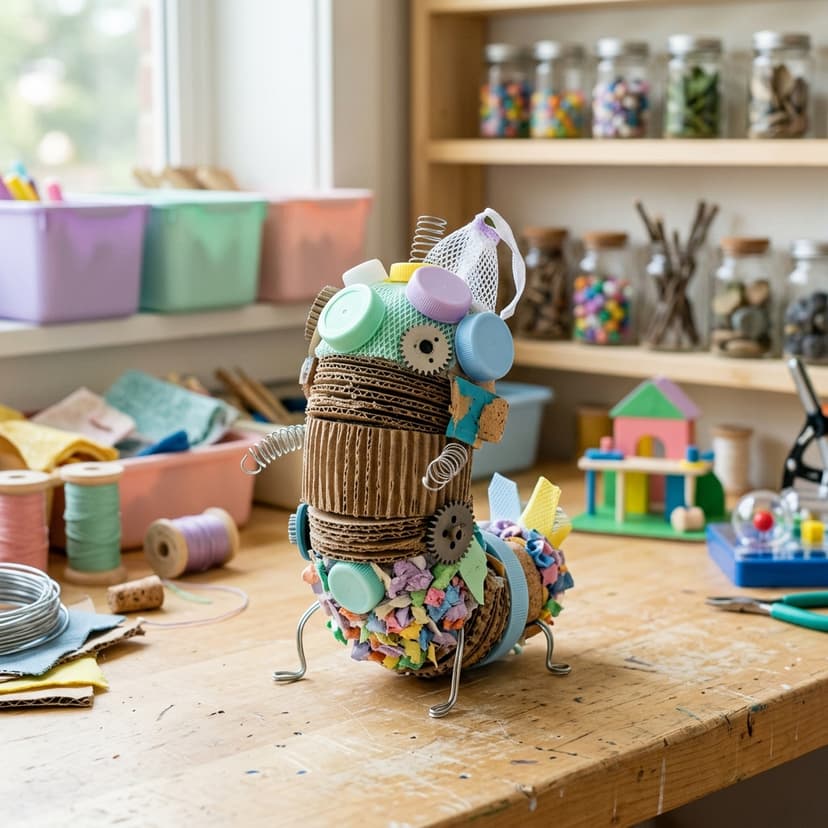
Working in small groups, students design and build their own crafts using the waste materials they collected, trying different techniques and combining ideas learned from their partner class. They test their creations, take photos or videos of the process, and document what worked well and what they would change.
Peer Feedback and Iteration with Partner Class
Students photograph and describe their finished crafts, then share them with the partner class through a shared digital gallery or forum. They receive feedback on their designs and ideas for improvement, then make one round of changes or refinements based on what they learned from their international peers.
Showcase and Reflection on Waste-to-Wonder Journey
Students display their final crafts in a classroom or school exhibition and present what they learned about waste, creativity, and global collaboration. They reflect on how seeing solutions from different cultures inspired their own ideas and discuss how waste materials can become something beautiful and useful.