
Allyssen Amani has created the project "Skin Science Explorers: Building Models with Local Materials" in Class2Class.org
Request to join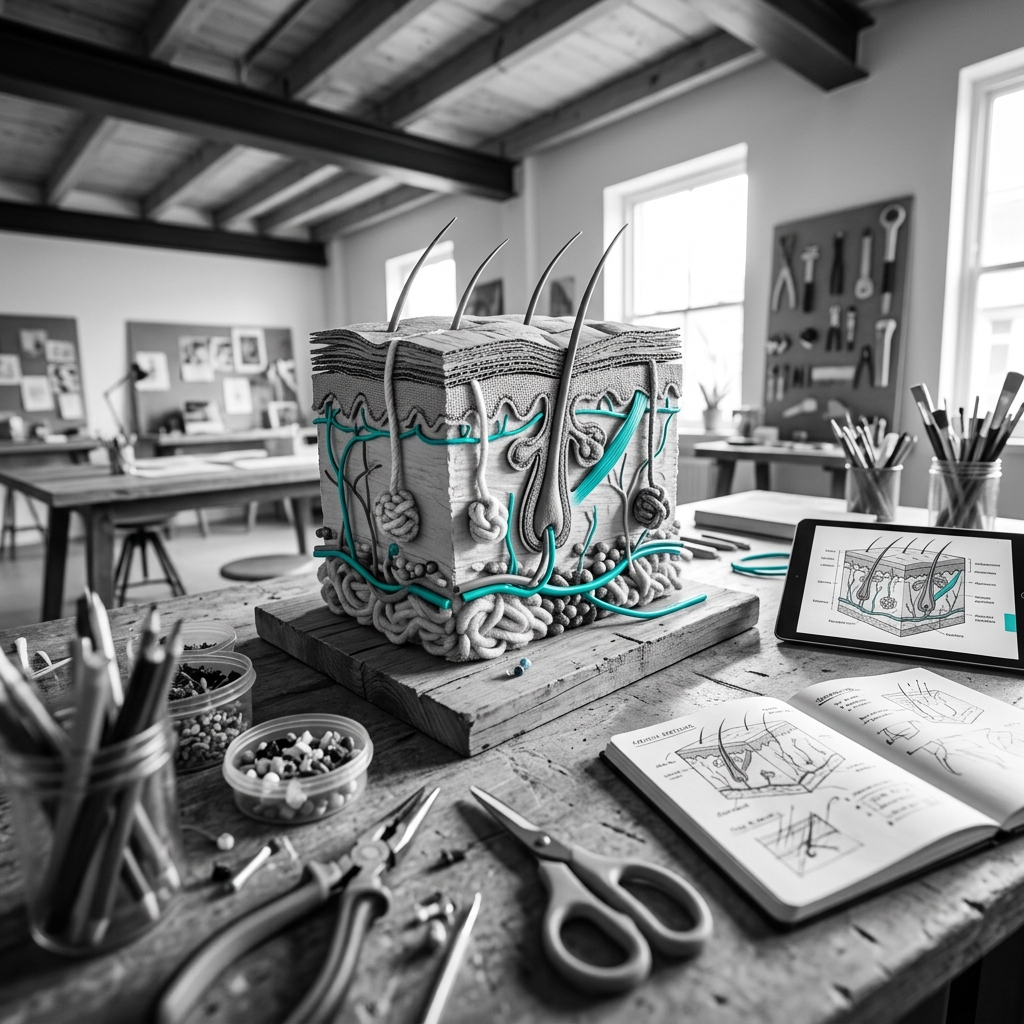
Skin Science Explorers: Building Models with Local Materials
What is this project about?
Students research how skin protects, regulates temperature, and senses the environment, then select and test local materials that best demonstrate each function (waterproof layers, insulating materials, textured surfaces). They analyze why certain ma...
- Age of Students
- 13-15 years
- Project Duration
- 1 week
- Starting Month
- August 2026
This project promotes and protects these children's rights
Learning Outcomes
Students will be able to identify and describe the key functions of human skin and recognize local materials that demonstrate protective, thermal, and sensory properties.
Students will be able to apply critical thinking to select and test local materials that model different skin functions, then demonstrate how each material mimics skin's protective, insulating, or sensory capabilities.
Students will be able to analyze and compare why certain local materials effectively represent skin functions better than others, and examine how regional material choices differ from international partners' approaches.
Students will be able to evaluate the effectiveness of their material models and their partners' designs, then assess how cultural context and local resource availability influence creative problem-solving in representing skin functions globally.
Skills to develop
Project Activities
Skin Functions Discovery and Material Brainstorm
Students explore the three main functions of human skin (protection, temperature regulation, sensing) through discussion and observation, then brainstorm and list local materials that could model each function. This sets up the research and testing work ahead.
Material Testing and Model Building
Students select local materials, test them against each skin function (waterproofing, insulation, texture sensitivity), document their findings, and build a physical model showing how each material represents a skin layer or function. They record observations about why certain materials work better than others.
Exchange and Compare with Partner Class
Students photograph or describe their models and share findings with the international partner class asynchronously, comparing which local materials were chosen and why. They analyze how regional availability and cultural context shaped each class's material choices and effectiveness.
Model Showcase and Reflection
Students present their skin models, explain the function each material demonstrates, and reflect on what they learned about how local resources and global approaches differ. They evaluate the strengths of their own and partners' designs.