
Katherine Iglesias has created the project "Reading the World Together: Evidence Boards and Cross-Border Debates" in Class2Class.org
Request to join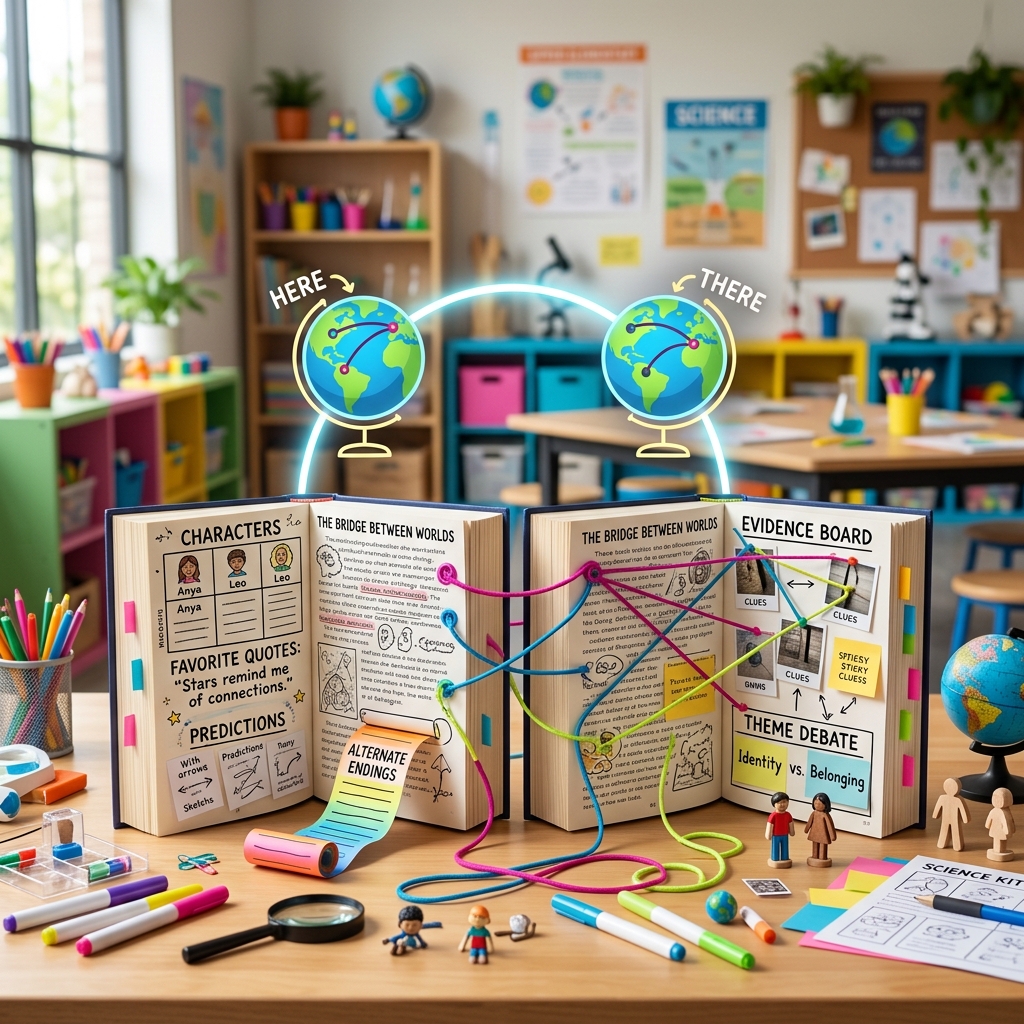
Reading the World Together: Evidence Boards and Cross-Border Debates
What is this project about?
Students create evidence boards showing key scenes, character development, and themes, then exchange these with their partner class to analyze and discuss. They prepare for and conduct a live video call debate where both classes present competing int...
- Age of Students
- 9-12 years
- Project Duration
- 4 weeks
- Starting Month
- August 2026
Learning Outcomes
Students will be able to identify and describe key themes, character motivations, and evidence from the anchor novel while recognizing diverse perspectives from peers in partner classrooms.
Students will be able to demonstrate critical thinking by creating evidence boards that illustrate character development and thematic connections, then apply collaborative feedback from international peers to refine their interpretations.
Students will be able to analyze and compare how students from different countries interpret the same character actions and themes, distinguishing between cultural perspectives and textual evidence during cross-border exchanges.
Students will be able to evaluate competing interpretations of a novel's central theme through structured debate with international partners, assessing the strength of evidence and intercultural reasoning presented by both classes.
Skills to develop
Project Activities
Meet Your Partner Class and Share First Impressions
Students introduce themselves and their country, then share initial predictions about the anchor novel's main character and central theme. Both classes exchange short video introductions or written messages to build connection before diving into the book.
Read, Annotate, and Build Evidence Boards
Students read the anchor novel in class and at home, annotating key scenes that show character development and themes. They create evidence boards (visual or written) with quotes, illustrations, and explanations of how each piece of evidence supports their interpretation of the character and theme.
Exchange Evidence Boards and Compare Interpretations
Classes exchange their evidence boards asynchronously (via shared document, forum, or photos). Students analyze the partner class's evidence, note similarities and differences in how they interpreted the same scenes, and prepare written or spoken reflections on what cultural or textual perspectives shaped those different readings.
Prepare and Conduct Live Debate on Character Actions and Theme
Each class prepares arguments for a structured debate on a competing interpretation of the character's central motivation or the novel's main theme, using evidence from their boards and feedback from the partner class. Both classes join a live video call to present their positions, ask questions, and evaluate the strength of each other's reasoning.
Reflect on Global Perspectives and Present Findings
Students reflect on how their understanding of the novel changed after hearing international peers' interpretations and debate. They create a short presentation or written report showing what they learned about the character and theme, and how cultural differences shaped the way each class read the story.