Dr. Pradeep Solanki has created the project "NexGen EduPulse Framework: VSISEL" in Class2Class.org
Request to join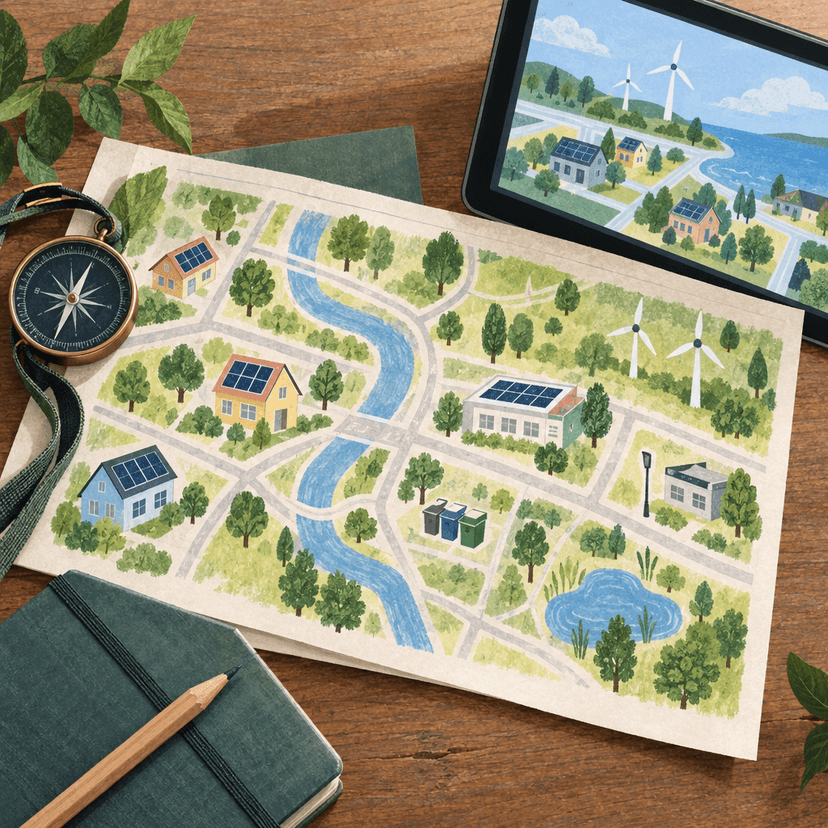
NexGen EduPulse Framework: VSISEL
What is this project about?
- Age of Students
- 9-12 years, 13-15 years, 16-18 years, 18+ years
- Project Duration
- 15 weeks
- Starting Month
- December 2026
Learning Outcomes
Skills to develop


Project Activities
Kick-off video call and neighborhood clean energy hunt briefing
Students meet the partner class on a live video call, introduce their town, and learn what solar panels, wind turbines, and energy-saving habits look like. They get a guided walk plan and a simple sketch-map template.
Guided neighborhood walk to spot clean energy
In small groups, students walk their neighborhood with a guide and note every solar panel, wind turbine, or energy-saving habit they see. They take photos or notes if possible.
Sketch a clean energy map of our neighborhood
Students use their notes to draw a simple map of their neighborhood with symbols for each clean energy feature. They add a short legend so partner classmates can read it.
Explain and compare our map with the partner class
Students describe their map to the partner class over a live video call and ask questions about theirs. Together they note similarities and differences between the two towns.
Joint comparison reflection and final sharing
Mixed groups from both classes review the compared findings and write a short shared summary of how clean energy looks in each town. They present the summary to both classes on a final video call.
Compare Energy Habits Across Two Towns Through a Shared Pledge
Students compare the energy-saving habits they found at home and school with those of the partner class, then co-write a short Young Changemakers Pledge with the partner students during the live video call. Each class records one agreed commitment to share on the project board.