
Motivate students
What is this project about?
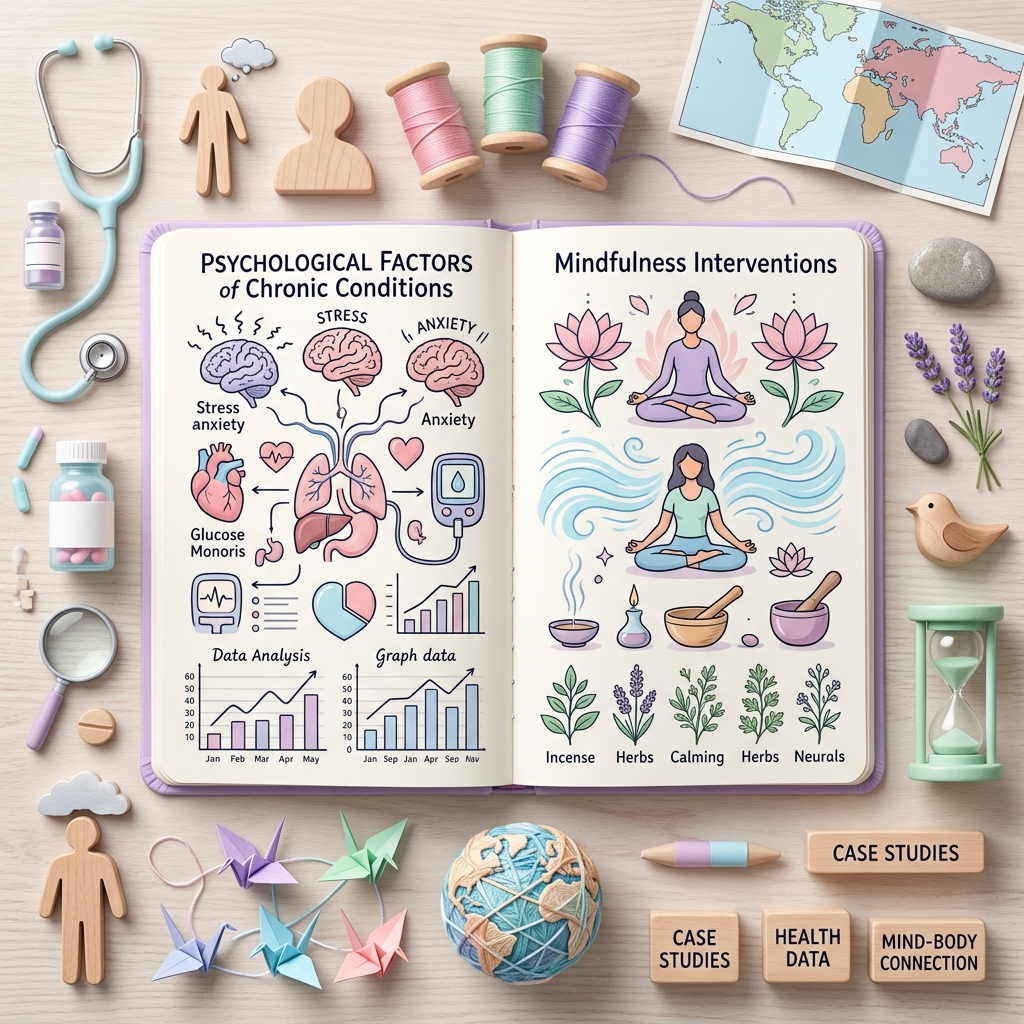
Students investigate how psychological factors like stress and anxiety affect patients with chronic conditions (such as diabetes) in their regions, analyzing case studies and local health data, then evaluate different mindfulness-based interventions ...
- Age of Students
- 16-18 years, 18+ years
- Project Duration
- 4 weeks
- Starting Month
- September 2026
Learning Outcomes
Students will be able to identify and describe how psychological factors like stress and anxiety impact patients with chronic conditions in their local region.
Students will be able to demonstrate critical thinking by analyzing case studies and local health data to compare psychological effects across different chronic conditions.
Students will be able to analyze and contrast how cultural contexts shape the effectiveness of mindfulness-based interventions through collaborative dialogue with international partners.
Students will be able to evaluate which mindfulness-based interventions work best in different cultural contexts by assessing evidence and synthesizing diverse international perspectives on emotional intelligence.
Skills to develop
Project Activities
Understanding Stress, Anxiety, and Chronic Illness
Students explore the connection between psychological factors and chronic conditions through personal reflection and initial research. They share what they already know and what they want to learn, then watch a short video or read an article introducing how stress affects patients with diabetes, heart disease, or similar conditions in their region.
Analyzing Local Case Studies and Health Data
Students work in small groups to investigate real or realistic case studies of patients with chronic conditions in their own region, examining how stress and anxiety influence their health outcomes. They gather and analyze local health statistics, interview data, or news reports to build evidence of the psychological impact.
Preparing for International Partner Exchange
Students synthesize their local findings into a brief presentation or infographic and prepare questions for their international partners about how stress and anxiety affect chronic patients in different cultural contexts. They review cultural differences in how people perceive and manage mental health.
Live Dialogue with International Partners
Students engage in a synchronous video call or series of asynchronous video exchanges with the partner class to discuss their case studies, compare local health data, and explore how cultural beliefs and social systems shape the way people experience and cope with stress related to chronic illness.
Evaluating Mindfulness-Based Interventions Across Cultures
Students research and compare different mindfulness practices (meditation, breathing exercises, yoga, etc.) used to help chronic patients manage stress and anxiety. Working with their international partners, they analyze which interventions are most effective in each cultural context and why, using evidence from research and partner feedback.
Synthesizing Evidence and Recommendations
Students consolidate their research and partner insights into a final written report or action plan that identifies which mindfulness-based interventions work best for different chronic conditions and cultural contexts. They reflect on how emotional intelligence and intercultural understanding shaped their conclusions.
Presenting Findings and Reflecting on Global Learning
Students present their recommendations to the class and international partners, explaining how psychological factors affect chronic patients differently across regions and cultures. They reflect on what they learned about emotional intelligence, cultural diversity, and the role of mindfulness in health.