Kevin Ouma has created the project "Math in Our Communities: Local Data, Global Comparisons" in Class2Class.org
Request to join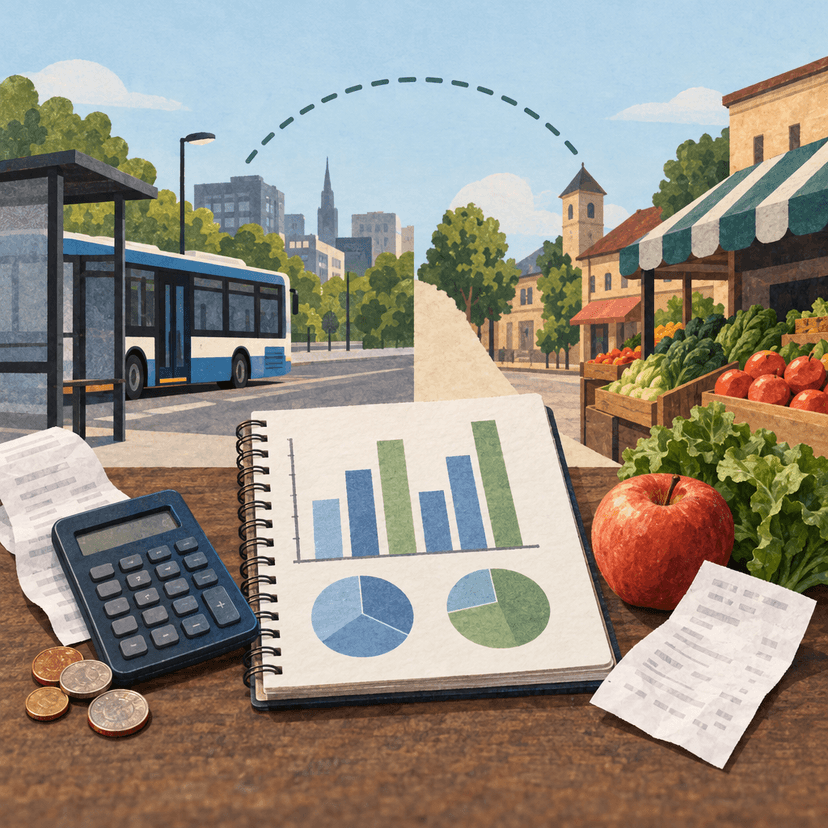
Math in Our Communities: Local Data, Global Comparisons
What is this project about?
- Age of Students
- 9-18+ years
- Project Duration
- 52 weeks
- Starting Month
- November 2026
This project contributes to the following global goals
This project promotes and protects these children's rights
Learning Outcomes
Skills to develop


Project Activities
Map Maths in Our Daily Lives
Students share everyday situations where they use maths, such as shopping, transport, or budgeting, and introduce their community to the partner class.
Collect Local Price and Transport Data
Students gather food prices and transport information from their community using digital tools, then organise it into a shared dataset with the partner class.
Compare Mathematical Patterns Across Communities
Students analyse their data alongside the partner class, identifying similarities and differences in prices, budgets, and transport patterns and discussing the context behind them.
Evaluate Which Problems Are Worth Solving
In mixed international teams, students decide which real-world problems are most worth solving mathematically, justifying their choices with evidence from both communities.
Present Findings and Recommendations
Students present their shared dataset, comparisons, and chosen problems to both classes, then reflect on what they learned about maths and collaboration.
Create a Joint International Mathematics Report
Students from both communities combine their findings into a digital report with data, calculations, graphs, comparisons and proposed solutions. They finalise it together in Google Docs or PowerPoint and include contributions from both partner schools.
Analyse Local Mathematics Through Case Studies
Students work in mixed teams to study a real local case, such as rising bus fares or grocery prices, and compare how each community's data shapes the problem. Together they explain what the numbers show and what mathematics could help solve it.