
Benjamin Jeremiah Ilemona has created the project "Math in Action: From Local Games to Global Connections" in Class2Class.org
Request to join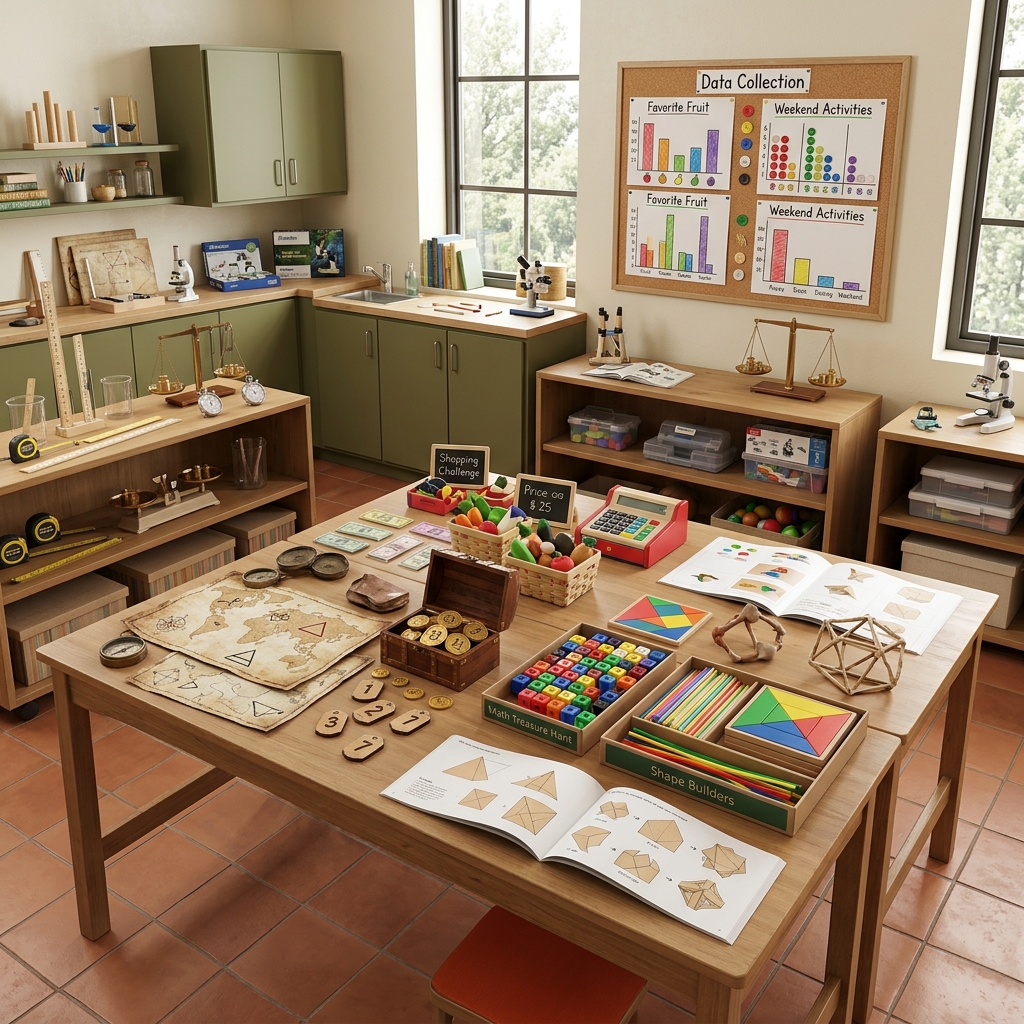
Math in Action: From Local Games to Global Connections
What is this project about?
Students in your class play math games (treasure hunts, shopping challenges, quizzes) and share photos, scores, and favorite moments with partner classrooms around the world. Each class describes how the games made math fun for them and exchanges ide...
- Age of Students
- 9-12 years
- Project Duration
- 4 weeks
- Starting Month
- August 2026
This project contributes to the following global goals
Learning Outcomes
Students will be able to identify and describe how mathematical games and real-life activities make math meaningful, and explain their experiences with international peers through photos and reflections.
Students will be able to apply mathematical problem-solving and creative thinking to design and play collaborative games with partner classrooms, comparing which activities work best across different cultural contexts.
Project Title: Making Mathematics Fun Through Games and Real-Life Activities Learning Goals By the end of this project, which will be completed over four weeks, pupils aged 9–12 years will be able to: Correctly solve at least 8 out of 10 problems involving addition, subtraction, multiplication, and division. Measure the length, mass, and capacity of everyday objects using appropriate measuring tools and record their results accurately. Collect and organize simple data from their classmates and present the information using a bar chart or pictogram. Work effectively in groups to complete Mathematics games and problem-solving activities while showing cooperation and respect for others' ideas. Explain the steps used to solve a mathematical problem, using appropriate mathematical language. Demonstrate confidence by actively participating in classroom discussions, games, and practical Mathematics activities. Competences Developed Through this project, pupils will develop: Strong numeracy and calculation skills. Critical thinking and logical reasoning. Problem-solving abilities using real-life situations. Communication skills through discussion and presentation. Teamwork and collaboration. Creativity in exploring different methods of solving problems. Self-confidence and a positive attitude toward Mathematics. Responsibility and perseverance when completing tasks. Assessment The teacher will assess pupils through: Observation during group activities. Mathematics quizzes and class exercises. Practical tasks and projects. Oral questioning and class participation. A short end-of-project assessment to measure progress against the learning objectives.
Skills to develop
Project Activities
Welcome to Math Games Around the World
Students introduce themselves and their classroom, share what math means to them, and learn about the partner class. The teacher explains how the project will connect them with peers globally through games and real-life math challenges.
Discover and Play Math Games
Students play a rotation of math games (treasure hunt, shopping challenge, shape builders, math quiz) over several sessions, taking photos and recording scores. They reflect on which games felt fun and why, preparing to share their favorites with the partner class.
Measure, Collect, and Organize Data
Students conduct measurement projects and simple surveys (favorite fruits, sports, etc.), record their results, and create bar charts or pictograms. They document their process with photos and notes, ready to compare findings with the partner class.
Exchange Games and Feedback with Partner Class
Students share photos, scores, and descriptions of their favorite math games with the partner classroom through the Class2Class platform. They receive the partner class's games and reflections, compare which activities worked best, and provide peer feedback on what made the games engaging.
Design and Test a New Math Game Together
Working in small groups, students design a new math game inspired by what they learned from their own activities and the partner class's feedback. They test it with classmates, refine it based on results, and prepare a final version to share globally.
Showcase Learning and Reflect on the Journey
Students present their favorite games, data findings, and the new game they designed, explaining how math became more meaningful through play and collaboration. They reflect on what they learned about themselves as mathematicians and about their international peers.
Math Games Around the World: Cultural Stories Behind Numbers
Students research and share stories about how math games are played differently in their partner class's culture, including any traditional games or number systems. They create a digital or poster-based comparison showing how the same math concept (like counting or measuring) appears in different cultural contexts.
Math Game Tournament: Live Challenges with Partner Class
Students participate in a real-time or asynchronous math game tournament with their partner class, solving problems and competing in friendly challenges while recording their scores and strategies. They reflect on which game formats and problem types were most engaging and share their observations to help both classes understand what makes math fun across different contexts.