Adebayo Adeyemi has created the project "Mapping Everyday Problems Worth Solving" in Class2Class.org
Request to join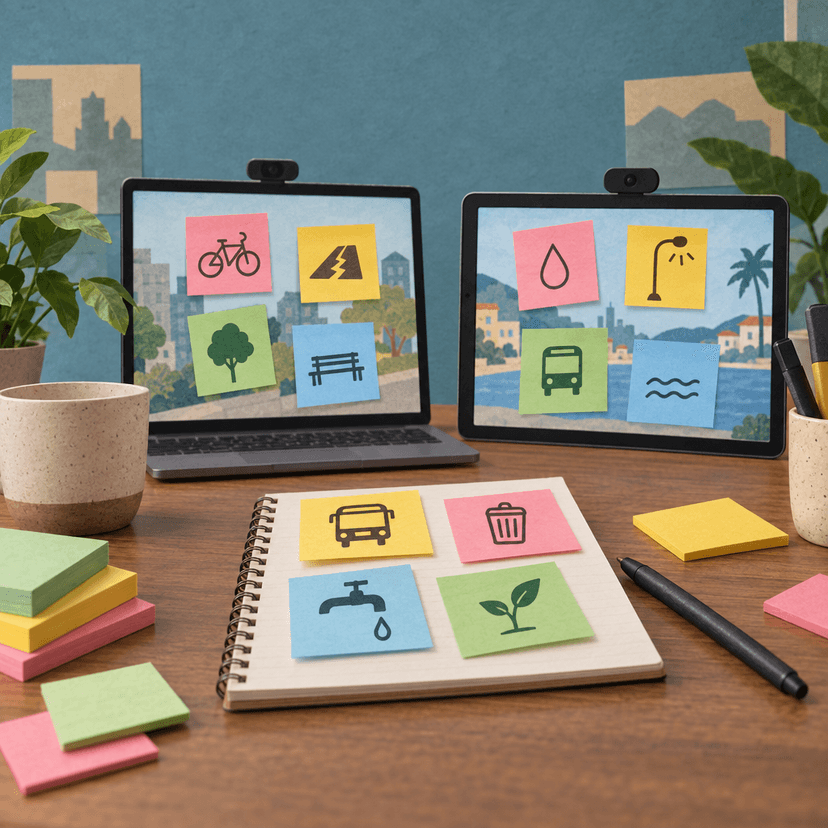
Mapping Everyday Problems Worth Solving
What is this project about?
- Age of Students
- 18+ years
- Project Duration
- 12 weeks
- Starting Month
- December 2026
Learning Outcomes
Skills to develop


Project Activities
Kick-off video call: meet the partner class
Students meet their partner class on a live video call, introduce themselves, and agree on how the exchange will work. Together they set simple ground rules for respectful listening and sharing.
Share and compare everyday frustrations
Students note everyday problems they notice in their own community, then share them with the partner class during a live video exchange. Each group compares the problems to find what is common and what is different across the two places.
Research the problems behind the frustrations
Students dig deeper into the most interesting problems from both communities, asking who is affected, why it happens, and what people already do about it. They use interviews, observation, and short research notes to gather evidence.
Prioritize problems with paper notes and discussion
Using paper sticky notes and simple group discussion, mixed teams from both classes sort the problems and choose a few that could become a digital product. They explain their choices and discuss how culture and context shape each problem.
Shape the chosen problems into product ideas
Teams take their selected problems and sketch who a product would help, what it would do, and how it could work. They test their ideas with peers from the partner class and revise them based on feedback.
Final joint showcase and reflection
Each team presents its chosen problem, the evidence behind it, and its product idea to both classes during a final video call. Students then reflect on what they learned about intercultural communication, teamwork, and problem-solving.