Samslamet S. Pd has created the project "Investigating Water Challenges Across Borders" in Class2Class.org
Request to join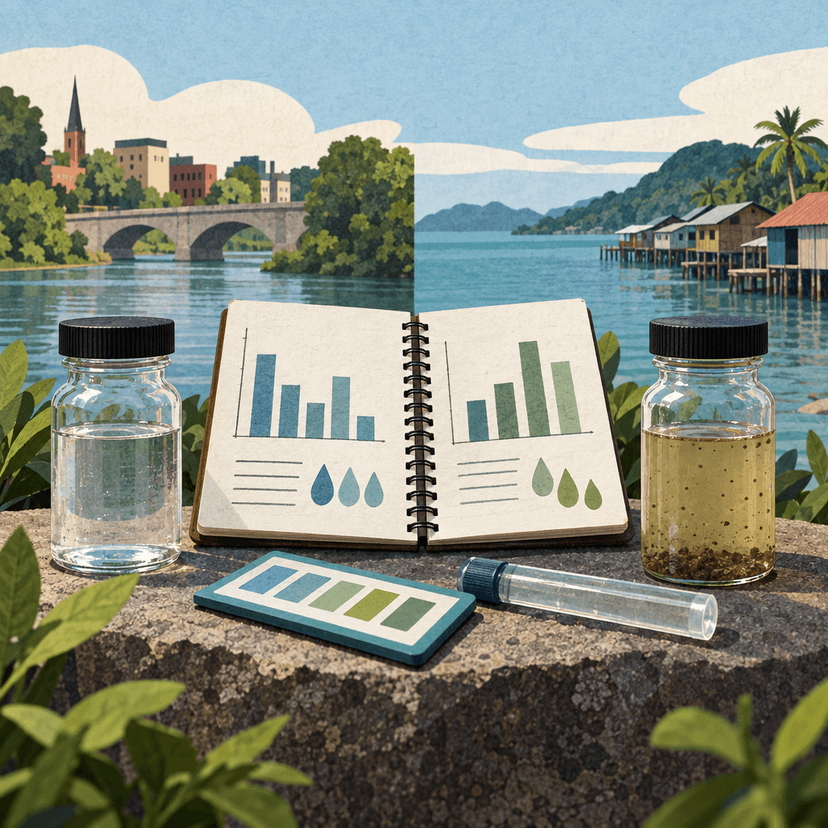
Investigating Water Challenges Across Borders
What is this project about?
- Age of Students
- 16-18 years
- Project Duration
- 5 weeks
- Starting Month
- November 2026
Learning Outcomes
Skills to develop


Project Activities
Meet the partner class and map our water story
Students introduce their community and share one water challenge they have noticed at home. Together with the partner class, they agree on shared questions and how to log data offline.
Collect local water data in logbooks
Students observe and record water access, quality, and waste in their own community using simple logbooks and notes. They interview neighbors or families and organize findings into basic charts.
Compare findings and causes with the partner class
Both classes share their logbook data through simple charts and exchange notes. Students look for similarities and differences and discuss how culture and local context shape the causes of each challenge.
Evaluate which solutions fit each community
Students rank possible water solutions for each community and justify their choices with evidence. Mixed pairs from both classes compare reasoning and refine their conclusions together.
Shared intercultural reflection showcase
Students present their key comparisons and recommended solutions to both classes. They end with a short joint reflection on what cultural context taught them about water challenges and global responsibility.
Test water quality together with the partner class
Students run simple home-made water tests on samples from both communities, then record results in a shared chart. They discuss what the differences might mean for health and daily life.