
Ibrahim Abdullahi has created the project "Investigating Pollution: From Our Community to the World" in Class2Class.org
Request to join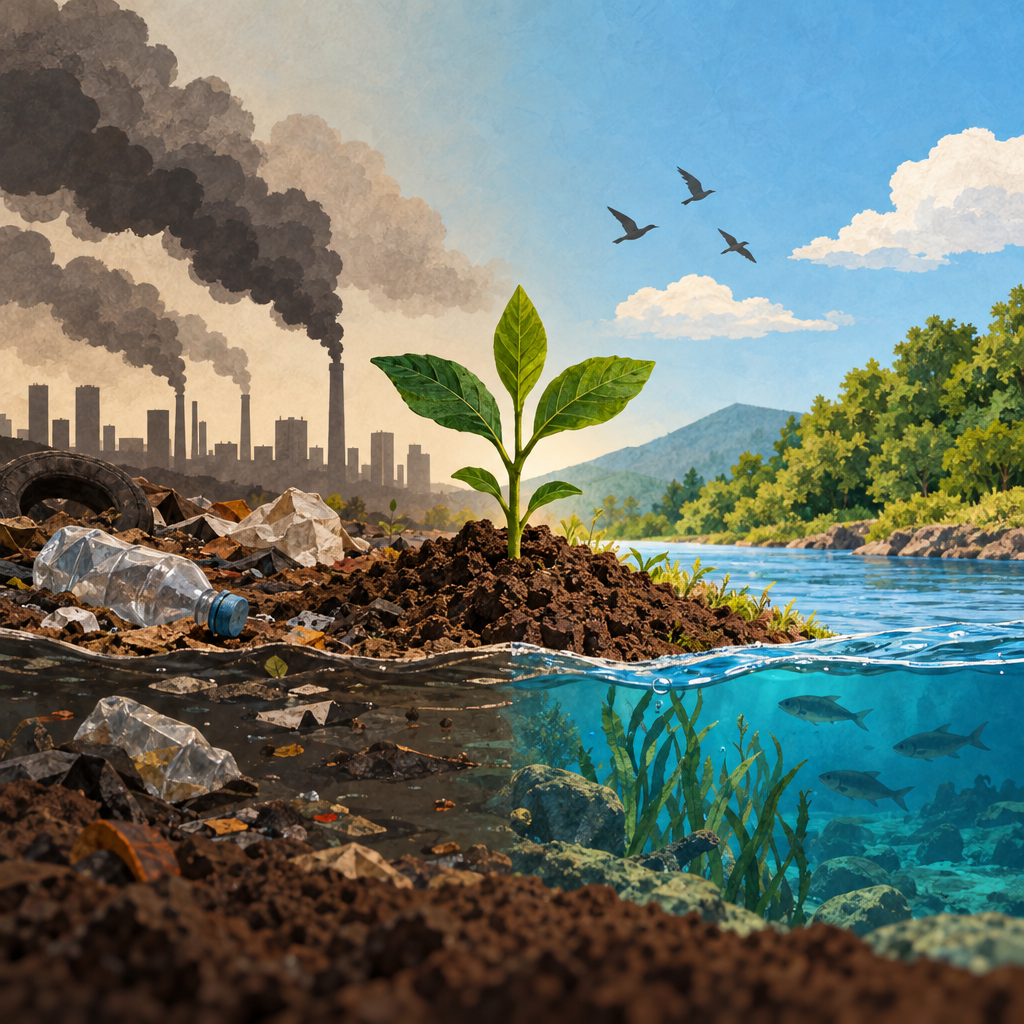
Investigating Pollution: From Our Community to the World
What is this project about?
Students explore and document one type of pollution (land, air, or water) in their own community through photos, observations, or simple data collection, then share findings with partner classes via video call to compare pollution challenges across d...
- Age of Students
- 13-15 years
- Project Duration
- 3 weeks
- Starting Month
- September 2026
This project contributes to the following global goals
This project promotes and protects these children's rights
Learning Outcomes
Students will be able to identify and describe different types of pollution in their local community and explain how these environmental challenges compare across partner classrooms worldwide.
Students will be able to demonstrate critical thinking by analyzing pollution data from their region and collaborating with international peers to propose local control measures that address shared environmental concerns.
Skills to develop
Project Activities
Pollution in Our World: What Do We Notice?
Students explore what pollution means and share observations from their own neighborhoods. They walk around their community to spot examples of land, air, or water pollution, take photos or notes, and discuss what they see in small groups to build a shared understanding before connecting with the partner class.
Local Pollution Survey and Data Collection
Students choose one type of pollution (land, air, or water) to investigate deeply in their community. Working in small teams, they collect data through photos, observations, interviews with community members, or simple measurements, then organize their findings into a clear summary with examples and patterns they notice.
Live Exchange: Comparing Pollution Across the World
Students hold a video call with the partner class to share their local pollution findings and learn about environmental challenges in other regions. They ask questions, compare what they discovered, and discuss how pollution affects young people differently depending on where they live.
Analyzing Pollution and Proposing Solutions
After the video exchange, students analyze the pollution data from both their own community and the partner class. Working together, they identify common patterns, discuss why certain types of pollution happen, and brainstorm practical control measures or actions their community could take to reduce pollution.
Sharing Our Learning and Commitments
Students create a short presentation or poster showing what they learned about pollution in their region, how it compares to the partner class, and what actions they or their community could take. They reflect on how connecting with peers worldwide changed their understanding of environmental challenges.