
Yahaya Rahimat has created the project "Comparing Needs Across Our Climates: Caring for Living Things Together" in Class2Class.org
Request to join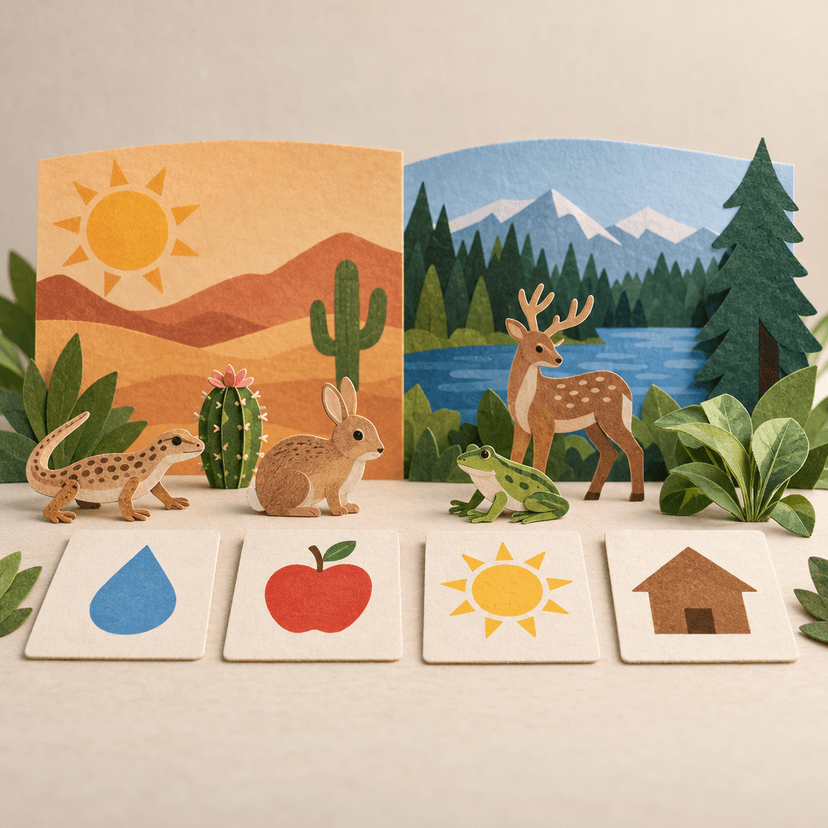
Comparing Needs Across Our Climates: Caring for Living Things Together
What is this project about?
- Age of Students
- Less than 6 years, 6-8 years, 13-15 years
- Project Duration
- 4 weeks
- Starting Month
- November 2026
Learning Outcomes
Skills to develop


Project Activities
Meet the partner class and sort living things by needs
Students greet the partner class on a video call, then introduce their local plants and animals. Together, they group living things by needs such as water, food, light, and shelter.
Compare needs across our two climates
Mixed groups sort plant and animal pictures from both classes into needs-based groups. They talk through why the needs differ between places, such as hot versus cold or wet versus dry climates.
Share simple care practices from each community
Students note one simple way people in each community care for plants or animals. They discuss with partner students which practice best supports local living things and explain their reasons respectfully.
Present our findings to the partner class
Students share their needs groups, climate comparisons, and care practices with the partner class during a final video call. They listen to feedback and reflect on what they learned together.